

1. Vietnam – A Fertile Land for the Bio-Industry
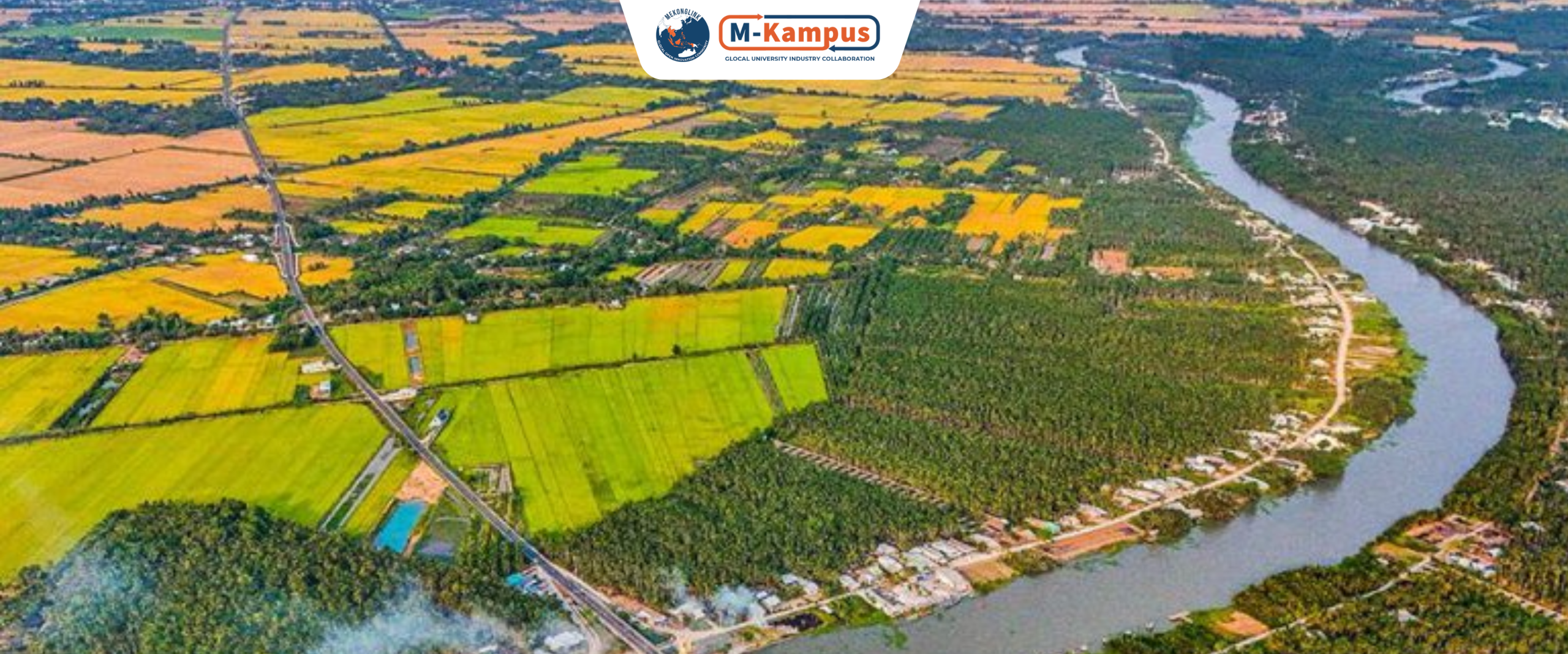
Vietnam is an agricultural country with vast deltas stretching from the Red River Delta to the Mekong Delta, blessed with some of the richest biological resources in Southeast Asia. This provides a strong natural foundation to develop industries based on biotechnology and green innovation.
Recognizing this potential, the Vietnamese government has identified biotechnology as a national priority sector – a key driver in the country’s Green Growth and Sustainable Development Strategy toward 2030. Major national programs such as the National Biotechnology Development Strategy, Green Growth Strategy, and Circular Economy Roadmap have paved the way for a strong and growing bio-industry ecosystem.
With natural advantages, supportive policies, and the rising global demand for eco-friendly products, Vietnam is emerging as a new hub for the bio-economy in the ASEAN region.
2. Overview of the Market and National Development Policies
2.1. Vietnam’s Bio-Industry
The bio-industry combines science, technology, and production to create eco-friendly products that contribute to a green economy. In Vietnam, the industry is mainly divided into four key sectors:
- Bio-Agriculture: Applying biotechnology in clean farming, organic fertilizers, and biological animal feed to improve productivity and the quality of agricultural products.
- Bio-Healthcare: Developing medical products such as vaccines, diagnostic kits, and biopharmaceuticals to strengthen the country’s healthcare system.
- Bio-Manufacturing: Producing bio-materials, biodegradable plastics, and food additives from renewable resources to reduce dependence on fossil fuels.
- Bio-Energy: Converting agricultural by-products and organic waste into clean energy such as biogas and ethanol, supporting a circular economy and reducing greenhouse gas emissions.
2.2 Growth Targets and Supporting Policies
According to Decision No. 553/QĐ-TTg (2017) issued by the Prime Minister, Vietnam aims for the bio-industry to contribute around 7% of GDP by 2030, increase the number of bio-industry enterprises focusing on R&D and product commercialization by 20%, and establish a national innovation ecosystem. To achieve these goals, the government has implemented several key national policies, including:
- National Biotechnology Development Strategy (2021-2030): Focusing on investment in R&D, commercialization, and human resource training.
- Green Growth Strategy (Decision 1658/QĐ-TTg): Encouraging the development of clean industries, energy efficiency, and environmental protection.
- Circular Economy Scheme (Decision 687/QĐ-TTg): Promoting resource reuse and emission reduction through biotechnology.
- Agricultural Biotechnology Development Program (Decision 429/QĐ-TTg): Applying biotechnology to modernize agricultural production.
These policies create a strong legal and institutional foundation, encouraging innovation, investment expansion, and international cooperation to build a sustainable Bio-Industry in Vietnam.

3. Challenges on the Path of Development
Although Vietnam’s bio-industry is growing rapidly, the country still faces several barriers that must be overcome to achieve sustainable growth. The four biggest challenges are:
- The gap between research and commercialization: Many research projects have great potential but have not yet been applied in real production. The connection between research institutes, universities, and businesses remains weak, making it difficult for innovation to create real economic value.
- International competition pressure: Countries like South Korea, Japan, and Singapore have invested early and already own advanced technologies for research and innovation. Vietnam, being in the early stages of development, faces high pressure to keep up with innovation speed and attract foreign investment.
- Lack of skilled human resources: The sector still faces shortages in both quantity and quality of professionals. Stronger cooperation among the government, businesses, and universities is needed to train a new generation of biotechnology experts.
- Difficulty in expanding markets: Most biotech companies in Vietnam struggle to reach international markets due to differences in technical standards, product certifications, and brand recognition, making expansion into markets such as Korea, Japan, and Europe challenging.
4. National Efforts Toward a Sustainable Bio-Industry
Despite these early challenges, Vietnam continues to move forward with concrete actions to boost the growth of its Bio-Industry. Across the country, many biotechnology projects are being carried out – transforming agricultural by products into valuable resources and promoting the circular economy.
These are not just technical efforts but also a reflection of the Vietnamese spirit – perseverance, creativity, and the constant drive to move forward.
In this journey, various collaboration programs between universities and enterprises, including M-Kampus, are helping nurture a young generation that connects knowledge with real-world practice. Such initiatives teach students that sustainability is not just a big idea, but a daily action – born from one’s ideas, hands, and aspirations.
Aligned with the nation’s development efforts, M-Kampus aims to be a bridge where students, researchers, and businesses work together to create real value. We believe that Vietnamese people and knowledge will be the foundation for the Bio-Industry to grow stronger in the coming decade.

Join M-Kampus on more innovation journeys – working together to help Vietnam accelerate in this new era of national growth and pride.
__________________________________________________
- ☎️ Contact information:
- Email: Community@mekonglink.asia
- International phone: (+84) 02888868685
- Vietnam phone: (+84) 364689922 (+84) 364689911


Responses