

1. Biotic Vegetation Mat: A Solution to Enhance the Aesthetics of Riverside Urban Areas
In the context of riverside urban development in Ho Chi Minh City, investors not only face infrastructure requirements but also need to solve the problem of enhancing the value of real estate products. Riverside areas are increasingly positioned as high-end living spaces, demanding aesthetic, ecological, and experiential landscapes.
The vegetation mat biological solution, replacing hard embankments, is becoming an approach aligned with this trend. Instead of using fixed concrete structures, the vegetation mat system creates a soft cover, allowing direct integration of greenery onto riverbank slopes.
The core difference lies not only in its bank protection capability but also in transforming riverbanks from mere technical infrastructure into an integral part of the landscape ecosystem, a factor that directly impacts the commercial value of riverside real estate projects.
In Ho Chi Minh City, projects integrating green riverside landscapes often have a stronger appeal to residents and are accepted by the market at very high price points. In the Thu Thiem area, many riverside projects have reached transaction levels of tens of billions VND per unit, with some product lines even touching millions of USD. This demonstrates that the value of green riverside infrastructure is not only in its aesthetic appeal but also in its ability to increase commercial attractiveness and long-term asset value.
2. Mechanism of Vegetation Mats (Vegetation Mat)
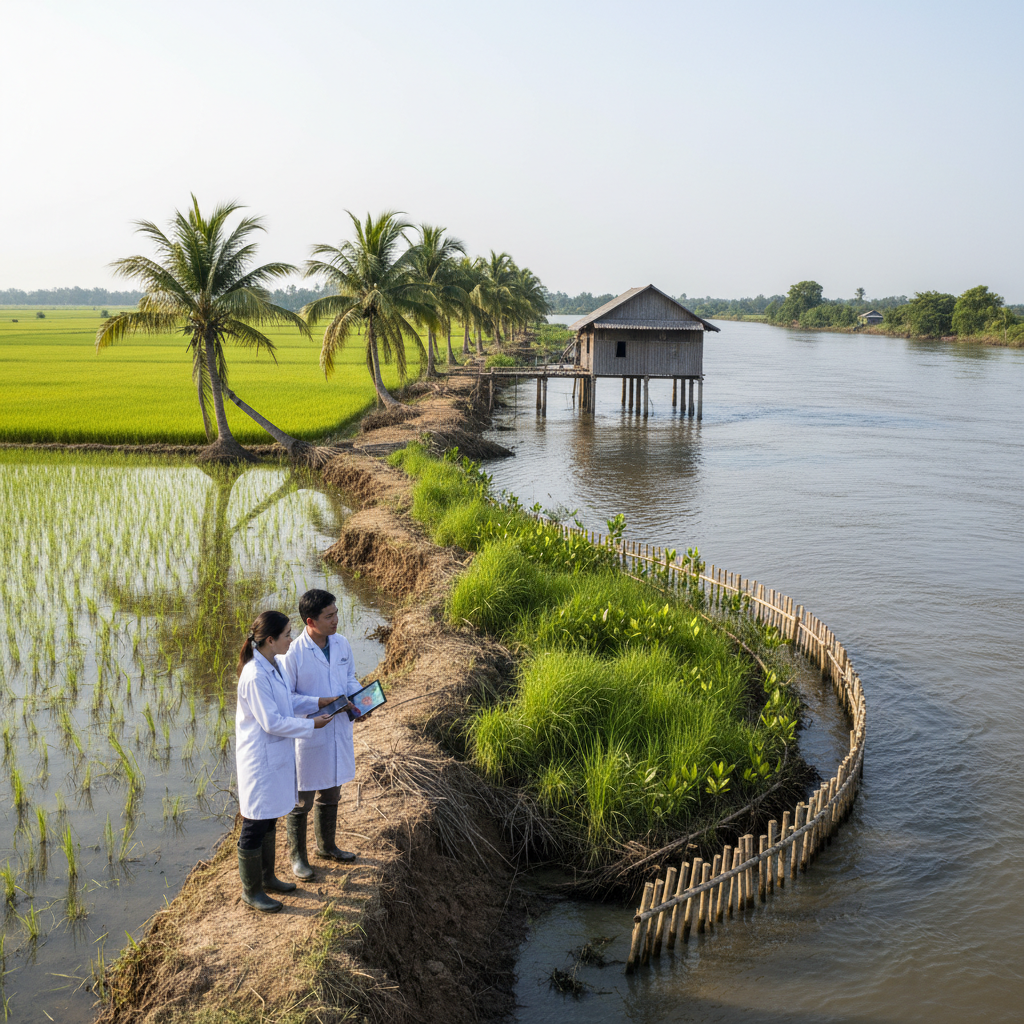
The mechanism of vegetation mats is based on a multi-layered structure, where each layer plays a specific role. The base layer is a biodegradable PLA non-woven fabric, which functions to retain seeds, maintain initial stability, and limit seed washout during heavy rain or strong currents. Above this is a layer of natural fiber mesh, such as coir and jute, which helps retain soil, increase surface adhesion, and secure the structure in the initial post-construction phase. As plants grow, their roots penetrate through the material layers and anchor directly into the soil, gradually forming a natural root network that holds the soil and stabilizes the slope.
A crucial aspect of the system is the biodegradability of the PLA layer. Once the vegetation mat has grown strong enough and the root system begins to stabilize the soil, this base layer will gradually decompose over time without leaving significant artificial material residue in the environment. This process reduces the need for manual removal after use and helps maintain the natural character of the application area.
Thanks to this mechanism, vegetation mats not only provide technical effectiveness in erosion control and surface soil protection in the initial stages but also facilitate a more natural ecological restoration process in the medium term. This is a suitable approach for projects prioritizing green infrastructure, sustainable landscapes, and long-term environmental impact reduction.
3. Outstanding Benefits for Investors, Developers, and Urban Planners
3.1 Optimized construction, operation, and long-term maintenance costs
The application of self-reinforcing vegetation mats through their root systems effectively reduces maintenance and repair costs for urban infrastructure. According to a research group from Ho Chi Minh City University of Technology, floating vegetation mats using aquatic species have low investment costs and are easy to install and operate. Notably, the selected species have robust root systems that thrive even in saltwater, helping to maintain structural stability and add aesthetic value.
3.2 Enhancing Landscape Quality and Riverside Experience
Elevating commercial value: High-end real estate projects featuring natural green landscapes often create a strong visual impression, optimizing “valuable” views and fostering a healthy living environment, thereby increasing their appeal to affluent customers.
Optimizing construction and maintenance processes: The vegetation mat solution simplifies installation steps compared to traditional concrete embankments, saving actual deployment time. Additionally, the self-healing ability of the root system after hydrological fluctuations helps mitigate degradation and cracking often seen in rigid structures, thereby reducing long-term maintenance cost pressure.
Improving local microclimate: For example, in areas like Bach Dang Wharf Park, replacing concrete with green spaces significantly reduces surface heat absorption. This not only creates a well-ventilated relaxation space but also contributes to cooling the microclimate around the project.

4. ESG Value and Support for Green Building Certification
4.1 Link with Green Building Certification
Integrating vegetation mats into landscape design helps projects easily meet criteria in green certification systems like LEED or LOTUS, especially in categories related to water management, emissions reduction, and increased green space.
For developers, this is not merely a technical factor but a tool that supports the project approval process and enhances marketing value. Green-certified projects often have clear advantages in attracting investors and customers.
4.2 Reinforcing the Project’s Sustainable Development Positioning
Applying the “soft biological embankment” solution helps projects clearly demonstrate their ESG commitment by reducing the use of hard materials, increasing ecological areas, and improving the living environment. This is an increasingly important factor in the long-term development strategies of investors.

5. Ideal Applications in Ho Chi Minh City
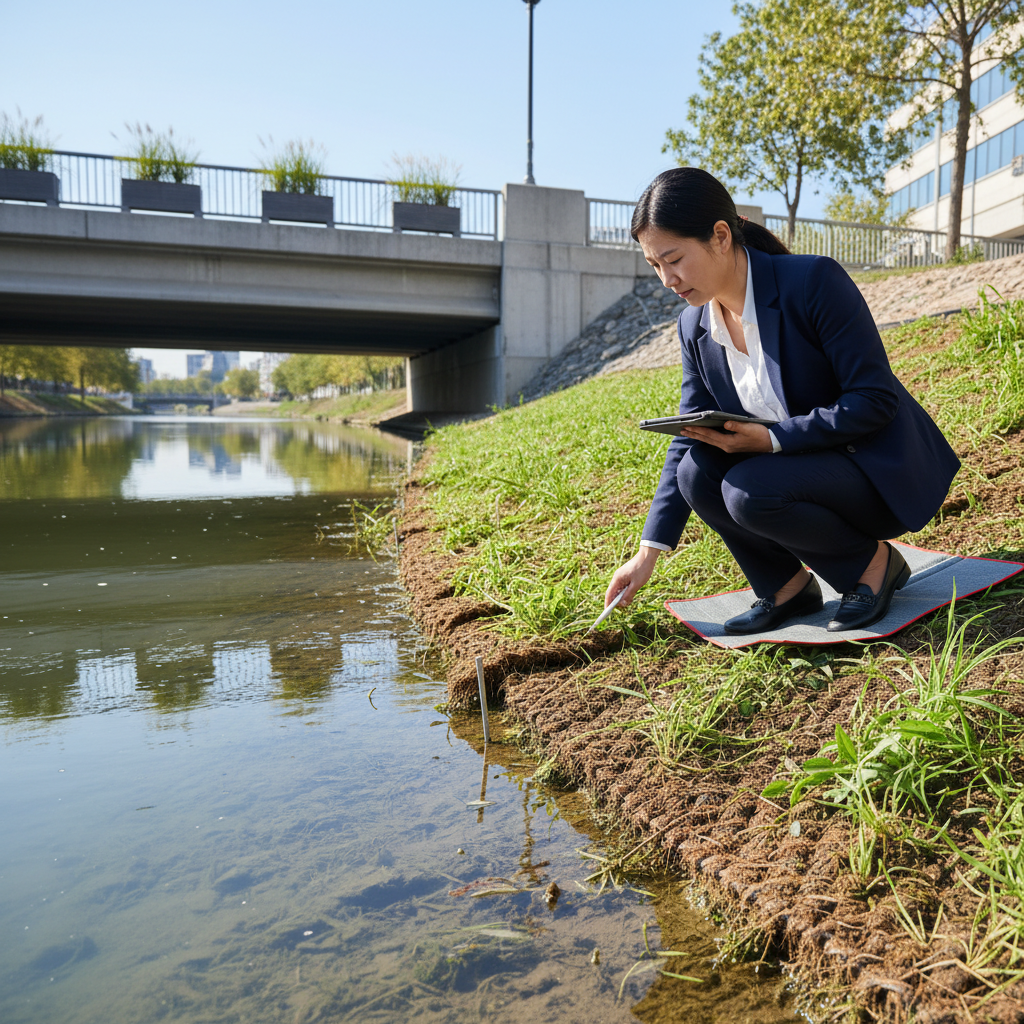
Developing riverside urban landscapes in Ho Chi Minh City is a prioritized application scenario, as the demand for integrating green spaces into rapidly urbanizing areas is growing. Routes like the Saigon River or the Nhieu Loc – Thi Nghe Canal have the potential to become urban connecting landscape strips, contributing to expanding public spaces, enhancing aesthetic value, and improving the living experience in inner-city areas.
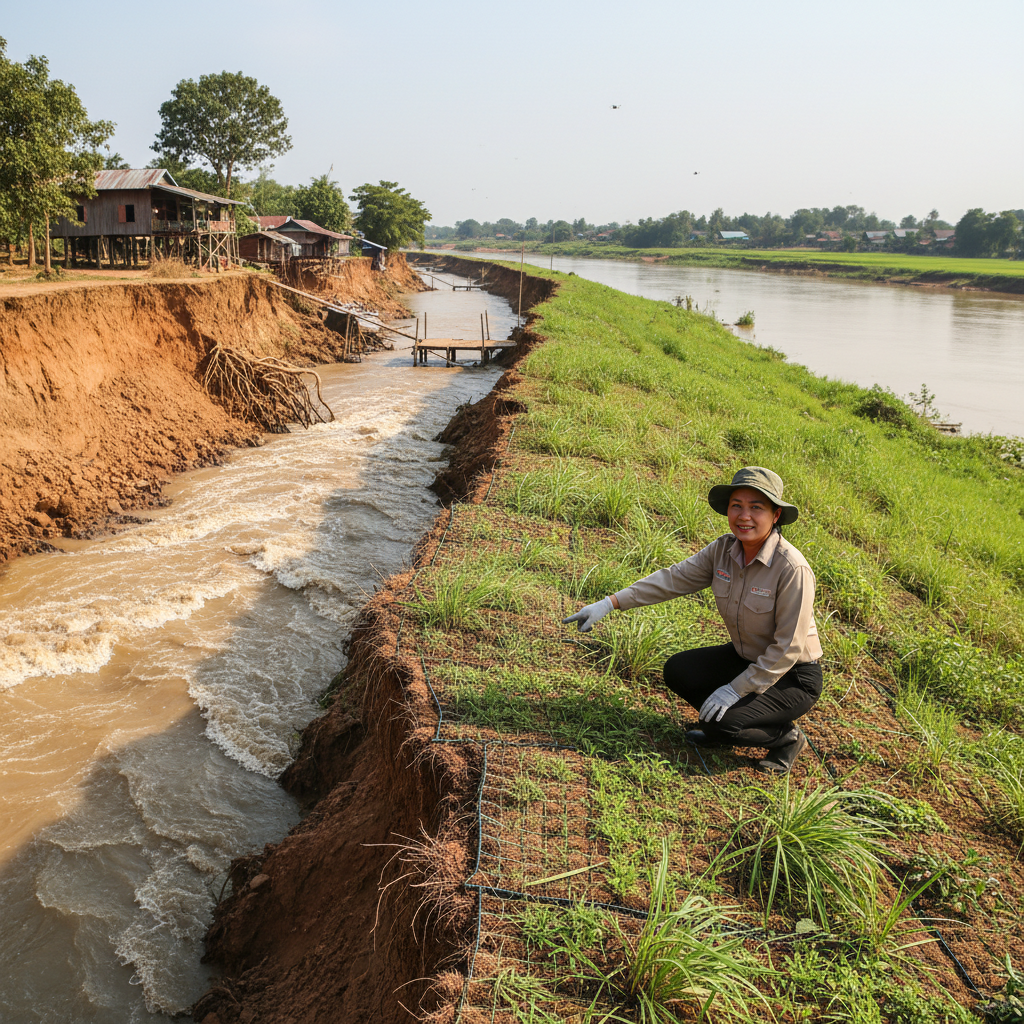
Furthermore, the need to protect infrastructure and residential areas from erosion and landslides in Ho Chi Minh City is also becoming increasingly evident due to the complex impacts of tides and heavy rains. In areas bordering residential zones and river systems, reinforcing riverbanks and canals with sustainable solutions not only helps protect assets and stabilize residents’ lives but also increases the city’s resilience to natural disaster risks.
Moreover, restoring riverside ecosystems is also an important direction in areas degraded by urbanization. Applying green solutions can support the regeneration of native vegetation, improve air quality, and contribute to restoring ecological value to urban spaces, aligning with Ho Chi Minh City’s sustainable development orientation.
6. Towards Ecosystem Restoration
Vegetation Mat technology represents a significant advancement in erosion management and sustainable urban landscape development. By providing a “soft biological embankment” solution that replaces hard concrete, this technology not only addresses technical issues of riverbank stability but also creates superior aesthetic, environmental, and social value for projects in Ho Chi Minh City. This is a certified and proven solution, bringing sustainable effectiveness to infrastructure and urban development projects.
👉To explore more details about the potential of this solution for urban and infrastructure projects in Ho Chi Minh City, send a cooperation request and receive the solution brochure immediately HERE.
————————-

☎️ Contact information:
1. Email: Community@mekonglink.asia
2. Website: mekonglink.asia
3. International phone: (+84) 02888868685
4. Vietnam phone: (+84) 364689922 (+84) 364689911


Responses