

1. Reasons for Australian Vegetation Degradation under UV Influence
Australia’s ozone hole and high UV radiation intensity create a particularly harsh environment for vegetation. The ozone layer’s original function is to filter out 97% to 99% of the sun’s ultraviolet radiation. However, since 1979, the Antarctic ozone hole region has expanded significantly, reaching an area of 30 million square kilometers, leading to a weakening of this protective function. In fact, during the Antarctic spring, over 50% of the low stratospheric ozone is destroyed, resulting in stronger UV radiation penetrating the atmosphere, especially in southern Australia. When this hole expands and covers southern Australia, the increase in surface UV levels is evident.
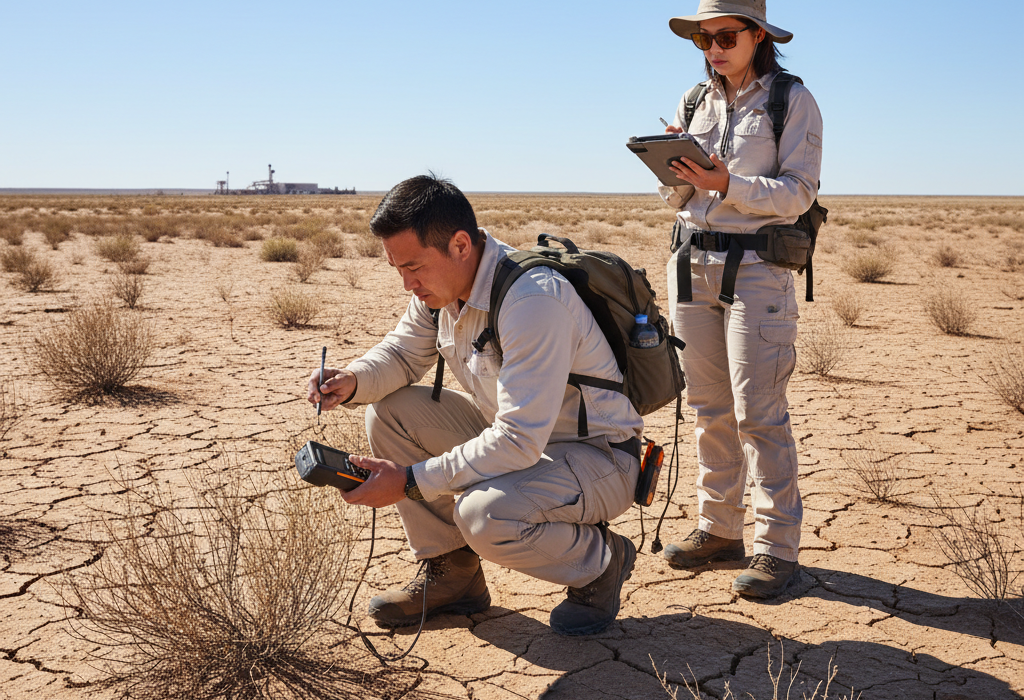
Ultraviolet radiation, especially UVB and UVC, damages seed DNA, reducing their viability and inhibiting germination. Seedlings are also susceptible, as their photosynthesis is suppressed from early stages. In Australia, despite many species adapting to harsh conditions, their UV tolerance is not uniform. When seeds are exposed or covered by thin soil, germination rates significantly decrease, thus slowing down the vegetation recovery process after erosion.
2. Impact of Decreased Vegetation Recovery Capacity on Greening and Ecological Restoration Processes
Low germination rates reduce the efficiency of establishing vegetation cover in areas such as riverbanks, coastlines, and slopes. Although engineering measures can help stabilize soil in the early stages, vegetation cover still plays a crucial role in long-term erosion control and ecological restoration. When seeds do not achieve the expected germination rate, the greening process slows down, leading to increased costs for labor, materials, and implementation time.
This situation also directly impacts biodiversity and ecosystem stability. If native vegetation fails to regenerate in a timely manner, ecological structures will become simpler, reducing their adaptability to environmental changes. Simultaneously, the food sources and habitats of many animals that depend on native vegetation are also affected.
Economically, low greening rates force projects to implement more expensive measures, such as planting seedlings or adopting hard engineering solutions for reinforcement. This not only increases the budget but also makes achieving ecological restoration and sustainable development goals difficult.
3. Attempted Solutions and Reasons for Their Ineffectiveness
3.1 Direct Seeding
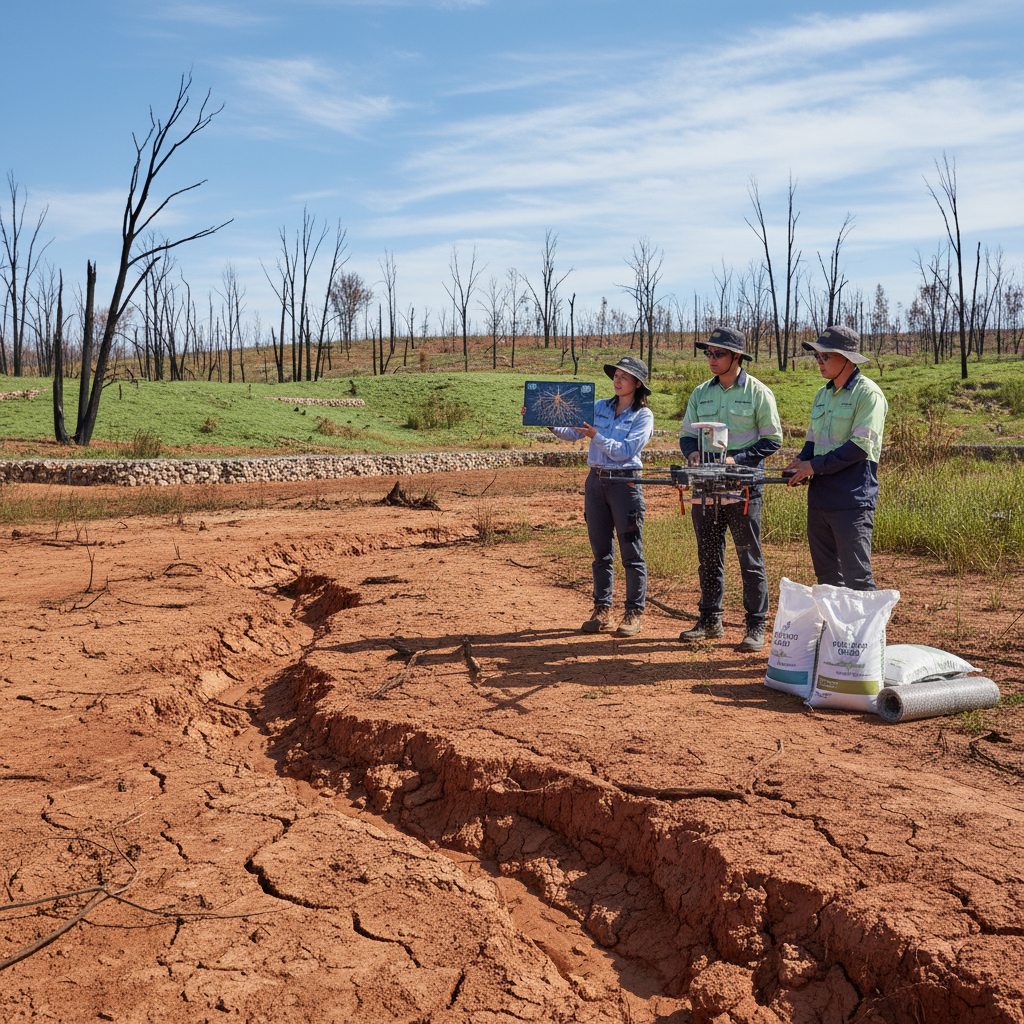
In many areas, direct seeding on the soil is a common method for restoring native vegetation. However, in places with high UV radiation intensity like Australia, this method is often inefficient. Seeds must be directly exposed to UV light while rapidly losing water due to evaporation, making it difficult to achieve expected germination rates. Even with a thin layer of soil covering for shading, this solution is often insufficient to maintain stable humidity and protect seeds from long-term adverse environmental conditions.
3.2 Planting Seedlings
Using seedlings helps reduce risks during the germination stage, but it incurs high production, transportation, and planting costs. The implementation process requires significant labor and time, while plants still face harsh conditions such as high temperatures, strong UV radiation, and humidity fluctuations. These factors can reduce the adaptability and survival rate of plants in their early stages.
3.3 Temporary Covering
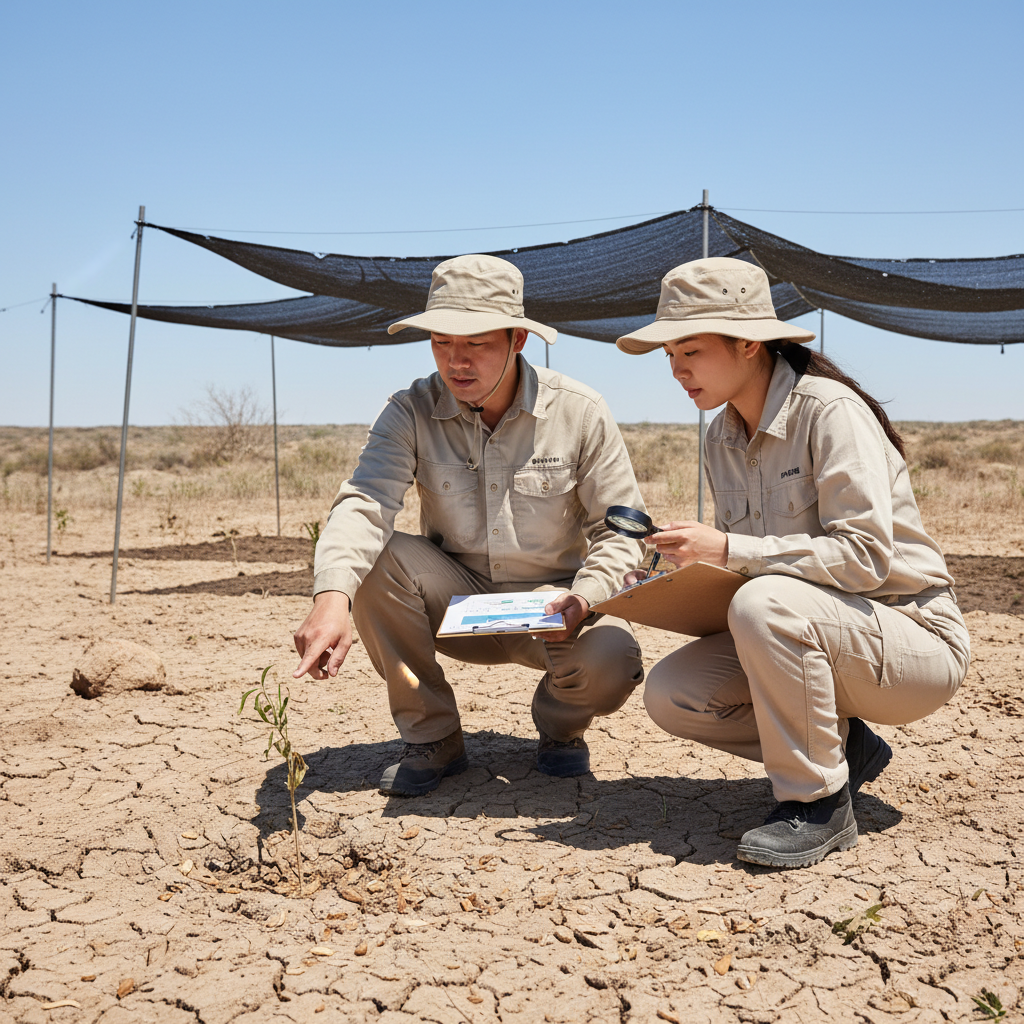
Another method involves using shade nets or surface covering materials for temporary shading. These solutions can help to some extent limit the impact of UV radiation on seeds or seedlings in the initial weeks. However, installation and maintenance costs are always a factor to consider, especially for large areas or those requiring long-term restoration. Furthermore, traditional shading measures often fail to create a sustainable microclimate and are difficult to integrate with the natural biological factors of the restoration area. This limits the overall efficiency of the restoration process, especially under long-term and large-scale standards.
4. Vegetation Mat Solutions for Supporting Ecological Restoration in Harsh Conditions
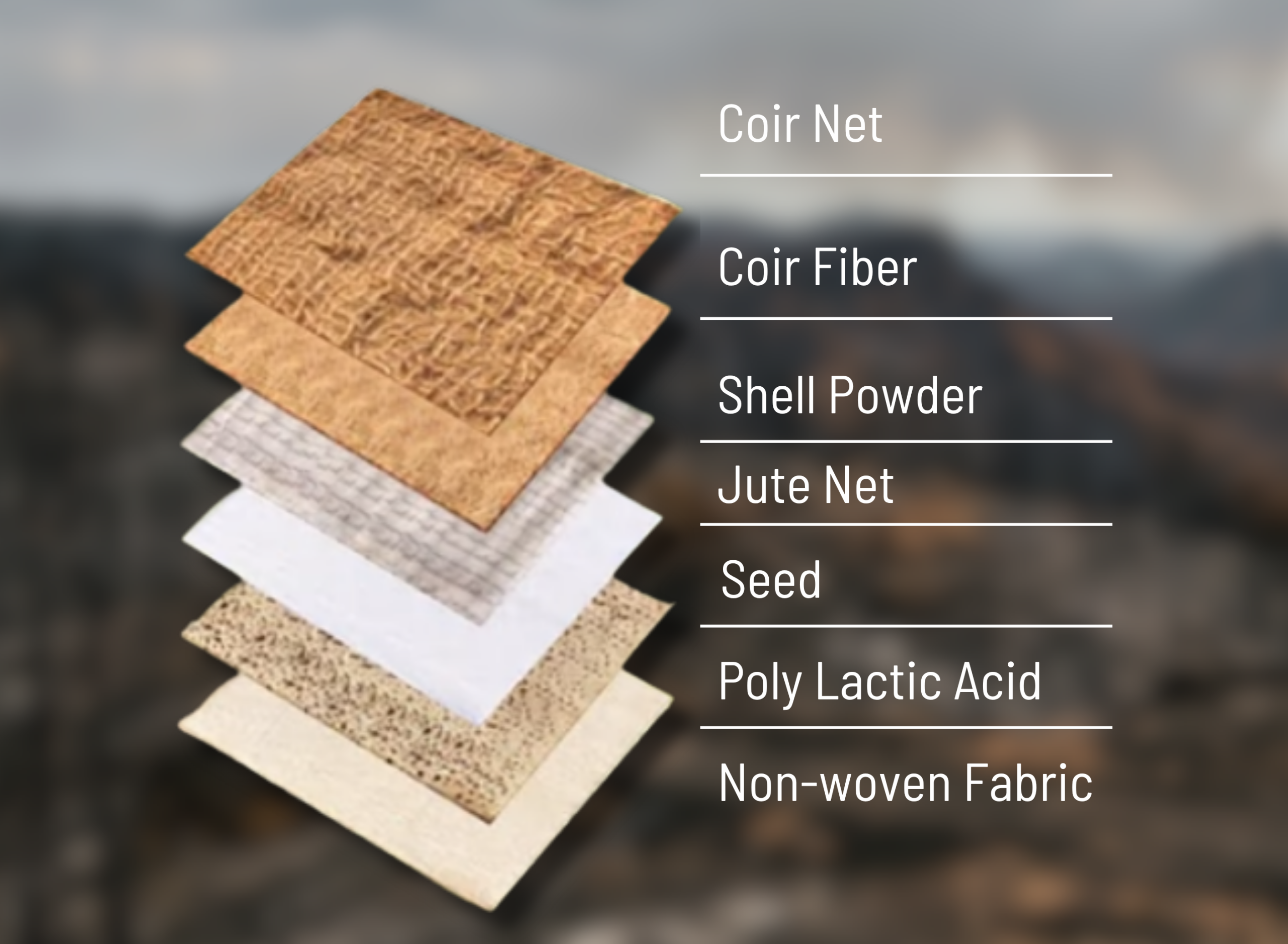
Vegetation Mat acts as a biological protective layer, creating a more favorable environment for seed germination and growth in harsh conditions. This solution uses biodegradable materials with pre-planted seeds and nutrients, helping to form a covering layer in the early stages, supporting soil and green vegetation recovery.
In terms of mechanism, the vegetation mat acts as a physical barrier, helping to reduce the direct impact of UV radiation on soil and seeds. The structure of biodegradable PLA non-woven fabric combined with natural fibers forms a protective layer, which helps to stably secure seeds beneath the vegetation mat surface, limiting washout or reduced germination capacity due to extremely harsh environmental conditions. The technique of fixing seeds under the vegetation mat also helps improve the restoration efficiency in the implementation area.
In addition to its shading function, the vegetation mat also helps maintain stable soil temperature and humidity, thereby creating a more favorable environment for the germination process. During decomposition, the integrated organic components and nutrients continue to enrich the soil, supporting the regeneration of natural vegetation. When plants grow stably and their root systems are firm, the vegetation mat material will gradually decompose into organic humus, helping to reduce the use of artificial materials and align with the direction of sustainable ecological restoration.

5. Why is the Vegetation Mat Solution Suitable for Addressing This Problem in Australia?
5.1 Suitable for Large-Scale Ecological Restoration Projects
The choice of vegetation mats in Australia reflects a trend towards prioritizing eco-friendly solutions and biodiversity conservation goals. Over the past 12 months, more than 10,000 hectares of natural habitats have degraded, increasing the demand for ecosystem restoration. National strategies also emphasize long-term investment and expanding native vegetation cover to strengthen ecological connections and protect endangered species.
5.2 Suitable for Engineering Projects on Riverbanks and Slopes
In engineering projects addressing riverbank and coastal soil erosion, the value of vegetation mat solutions lies not only in their biological function but also in their ability to integrate environmental and technical requirements. As Australia commits to dedicating at least 30% of its territory to protecting endangered species, greening contributes to compliance with environmental standards and landscape design in construction. In addition to its soil protection role, components within the vegetation mat system, such as plants, bacteria, and fungi, also participate in water treatment, sediment capture, and nutrient recycling, thereby stabilizing the ecosystem.
6. Towards Ecosystem Restoration
Australia’s extreme UV radiation, influenced by the ozone hole, is a fundamental cause of severe decline in native seed germination capacity and vegetation degradation. This not only impacts biodiversity but also poses significant cost and efficiency challenges for environmental restoration and infrastructure projects. Against the backdrop of many limitations in traditional solutions, vegetation mat technology stands out as an effective and sustainable approach. With its UV shading capability, ability to create an optimal microclimate for seeds, and a complete biodegradation cycle, the vegetation mat brings hope for restoring damaged ecosystems and building a greener future for Australia.
Explore how vegetation mat solutions can help your project address UV radiation challenges and undertake ecological restoration in Australia. Please contact Mekonglink for consultation and to develop a suitable solution roadmap.
Leave your information here Mekonglink will support you and answer your questions
—–—–—–—–—–—–

- Email: Community@mekonglink.asia
- Website: mekonglink.asia
- International Phone: (+84) 02888868685
- Vietnam Phone: (+84) 364689922 (+84) 364689911


Responses