

1. What is the Cloud-based Modular Smart Farm Solution?
Cloud-based Modular Smart Farm Solution is a solution specially designed for large-scale greenhouse models, where each planting area has different environmental conditions but still needs to ensure uniform quality across the entire system.
In practice, when expanding multiple greenhouses or dividing into many zones, businesses often face difficulties in maintaining stability between areas. Traditional systems are either too rigid or fragmented when managing each area separately. This solution is built to directly address that issue. Instead of trying to apply a common condition to the entire greenhouse, the system allows each area to operate according to its specific conditions, while still maintaining synchronization at the whole farm level.
The key point is that the solution helps businesses maintain uniform quality in a complex greenhouse environment, even when scaling up or changing production structure. In other words, it’s a platform that allows greenhouse models to be both flexible according to each area and stable in output quality across the entire system.
2. Factors that make the solution stand out
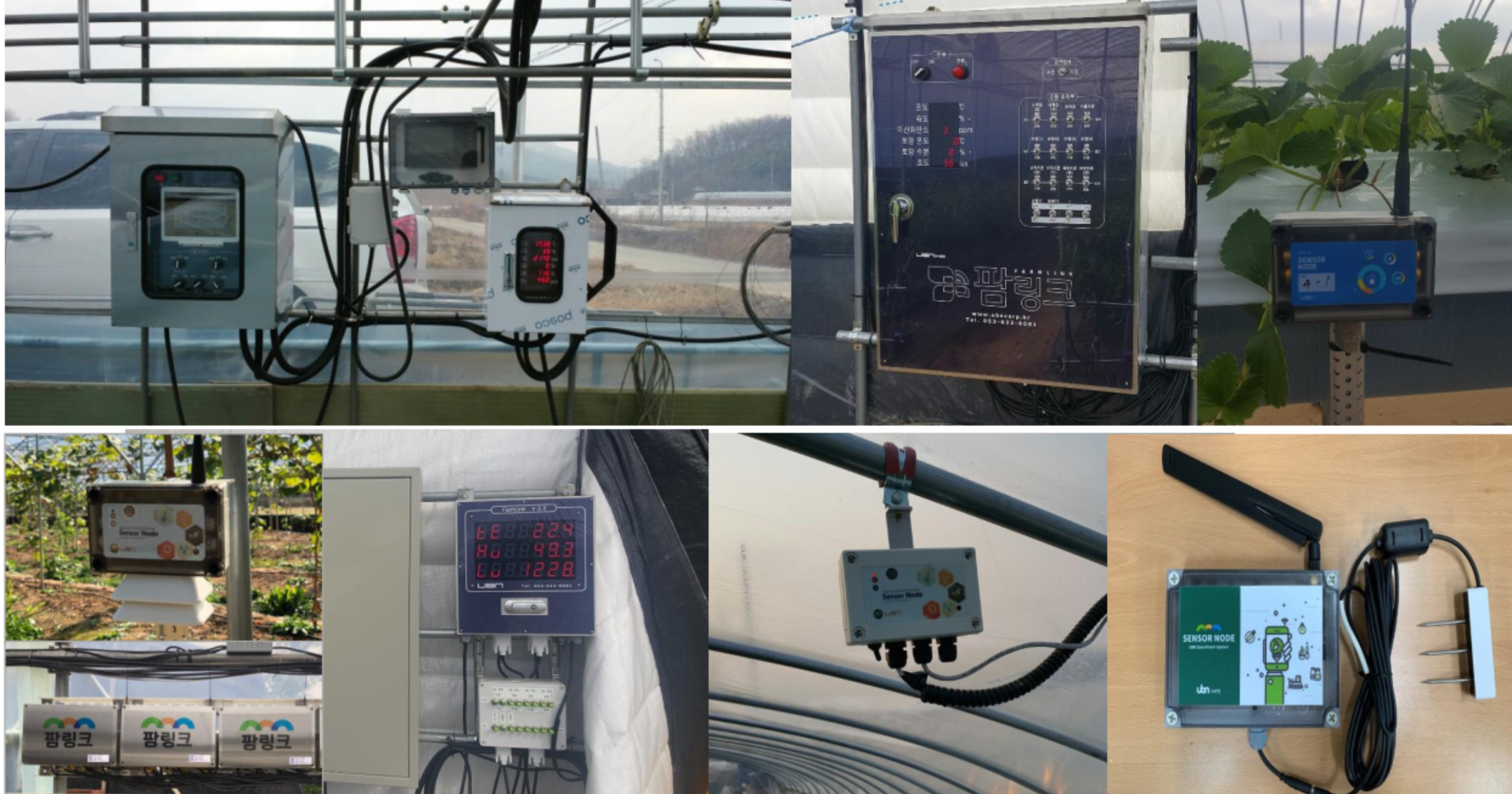
The core difference of the Cloud-based Modular Smart Farm Solution lies in its modular distributed processing architecture. Instead of using a rigid system for the entire cultivation area, this solution allows each zone to operate independently but remains connected in a single platform on the cloud. This is particularly important for production models with multiple greenhouses, different planting areas, or various growth stages requiring specific microclimates.
The solution is built on a model that connects central controllers, wireless sensors, and actuators, all integrated on the cloud platform in a unified system. This design allows the system to flexibly expand with the scale of the farm while maintaining centralized control without changing the entire infrastructure when adding new cultivation areas.
Another difference is the ability to integrate various types of sensors and control devices on a single platform. The modular product diagram in the brochure shows that the system can connect sensors for temperature, humidity, light, CO2, pH, EC, soil moisture, solar radiation, weather stations, along with multiple levels of actuators 2CH, 8CH, 16CH, and other auxiliary nodes. This allows the system not only to “monitor” but also to “control” production according to each zone.
Regarding operational experience, the Smart Farm web/mobile interface shows that managers can monitor real-time data, view statistical charts, and set up automation modes right on their mobile devices. This is a great advantage in distributed farm models or businesses with multiple production points.
3. Superior Benefits for Export Agricultural Enterprises
3.1 Enhance uniform agricultural product quality
When data is accurately collected and the environment is continuously adjusted for each zone, businesses can significantly reduce the disparity between cultivation areas. This helps control output standards more stably, thereby reducing the risk of shipments being rejected or underpriced.
3.2 Meet strict export standards
Uniform quality, clear tracking data, and centralized management capability help businesses be more proactive when working with markets that require high standards of traceability and quality control. The outline also highlights this by viewing the solution as a platform for standardizing the quality of export agricultural products.
3.4 Enhance brand value and position
For importers, what they need is not just a good crop but the ability to maintain stable quality over time. A production system with data, automation, and standardization capability will create greater trust in trade negotiations.
3.5 Optimize operations and reduce long-term costs
Applying centralized control and automation systems in monitoring export agricultural production helps reduce labor costs, save input resources like water, fertilizers, energy, and minimize waste due to inefficiencies. Real-time data also supports process optimization in decision-making, thereby significantly enhancing the overall effectiveness of farm operations.

4. Validate the solution through the technology platform
The reliability of the Cloud-based Modular Smart Farm Solution comes not only from certifications but is demonstrated directly through technological architecture and operational capability.
The focus of the solution is its ability to operate and adjust independently, allowing each cultivation area to function as an independent unit while still connecting within a centralized management system. This approach helps maintain system stability even when scaling up or changing cultivation configurations.
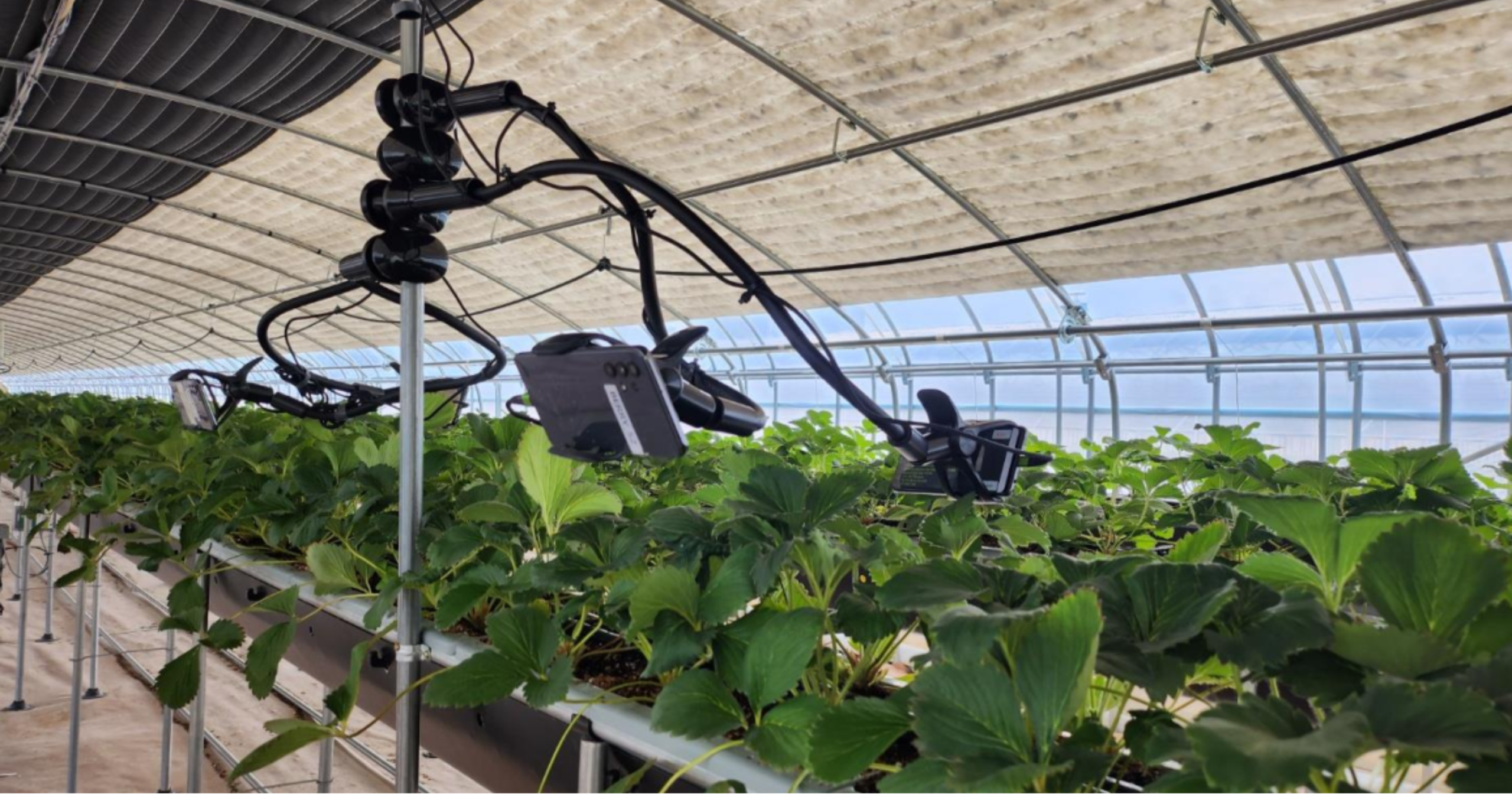
In addition, the integration of sensor and control systems in real-time enables continuous data collection and processing from the production environment. Parameters such as temperature, humidity, light, CO₂, or nutrients are monitored and automatically adjusted for each zone, reducing deviation and enhancing accuracy in operation.
Another important factor is the capability of data-driven automation. Instead of relying on manual operations, the system can make adjustments based on real data and established conditions, ensuring consistency in production.
It is this combination of independent operation, real-time data, and smart automation that forms the basis for the solution’s stable operation, scalability, and suitability for large-scale agricultural models aiming for export.
5. Which models should apply this solution?
The Cloud-based Modular Smart Farm Solution is most effectively deployed in specific scenarios of large-scale agriculture, especially when there is a need to control output quality for export purposes.
5.1 Large-scale and complex greenhouses
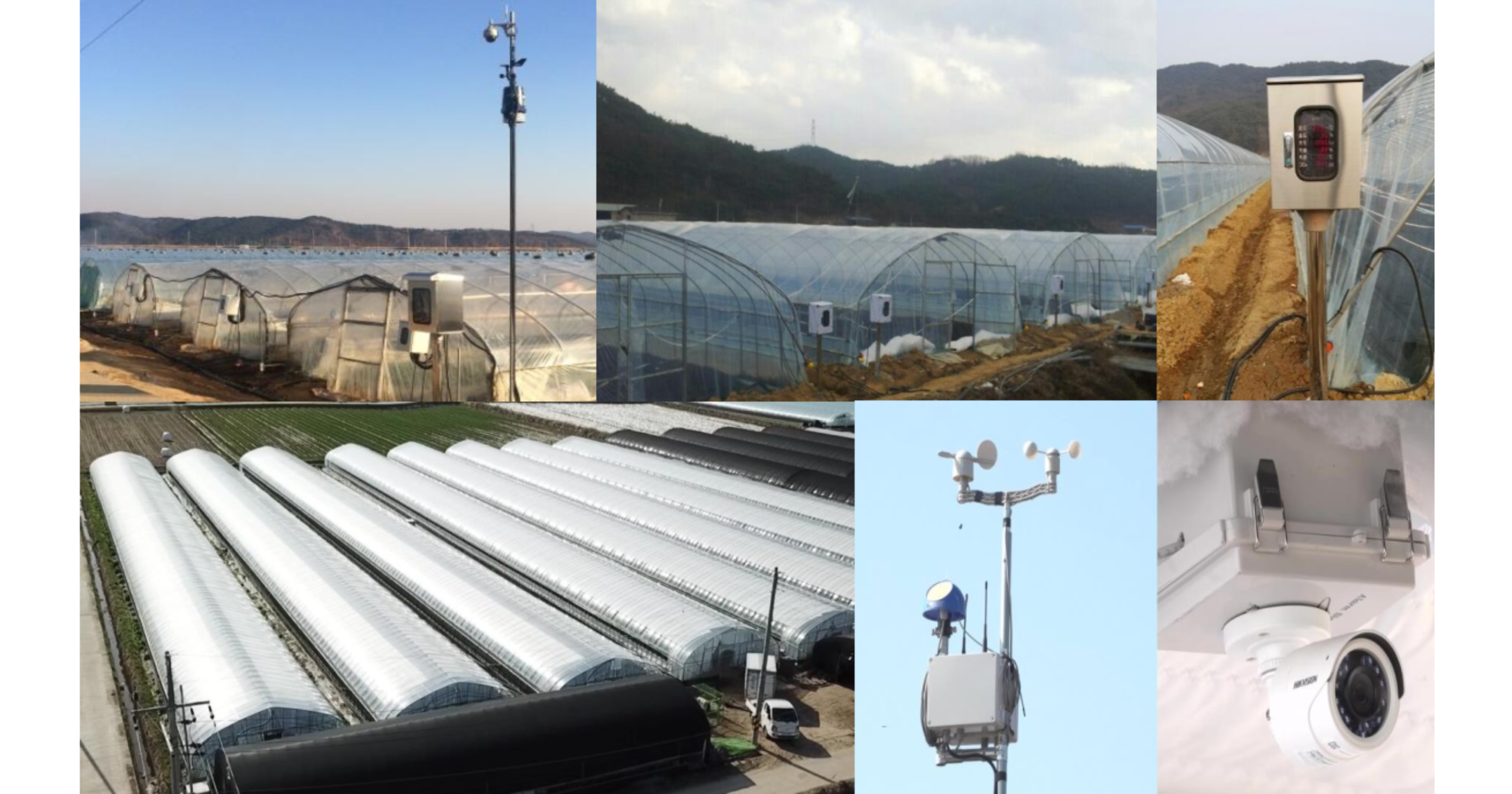
In greenhouse models with multiple areas, each zone often has different environmental conditions. Controlling each area independently while remaining synchronized on one platform helps maintain uniform quality across the entire production system.
5.2 Open fields and orchards
For large cultivation areas, remote monitoring and control through sensors and cloud platforms help optimize resources and reduce reliance on manual operation.
5.3 Plant factories and closed-loop farming models
Models like container farms, hydroponics, or aeroponics require strict control of environmental parameters. The solution allows precise adjustment according to each module, helping maintain optimal conditions for plants throughout the entire growth cycle.
5.4 Export agriculture requiring high standards
For businesses aiming for export, micro-control of cultivation conditions helps ensure consistent quality across batches, thus better meeting international quality and food safety standards.
6. Better control is the key to standardizing quality
Traditional operating methods have played a vital role in building the current production foundation. However, in the context of expanding scale and increasing quality demands, businesses need more flexible and accurate approaches. Data-driven and automated solutions, such as the Cloud-based Modular Smart Farm Solution, offer the ability to control in detail according to each area while optimizing operations across the entire system more efficiently.
If your business is struggling to control quality across multiple production areas or wants to enhance operational efficiency, explore the Cloud-based Modular Smart Farm Solution to build a flexible, data-driven, and scalable management system tailored to actual needs.
📩 Mekonglink can assist you in selecting, consulting, and deploying solutions that fit the scale and development goals of your business. Or leave your information HERE
——————————————————————–

☎️ Contact information:
1. Email: Community@mekonglink.asia
2. Website: mekonglink.asia
3. International phone: (+84) 02888868685
4. Vietnam phone: (+84) 364689922 (+84) 364689911


Responses