

1. EV Thailand 2025: Background and Net Zero 2050 Target
In the Southeast Asia electric vehicle market, Thailand stands out with its goal to become the EV production hub of the region. Based on its advantage as the “motorcycle powerhouse,” the Thai government has launched many policies to both attract investment and boost the domestic market.
- Investment Promotion: According to the Board of Investment (BOI), Thailand’s EV industry has attracted about USD 4.2 billion into projects for building EV assembly plants and producing parts, expanding its existing industrial base into the EV sector.
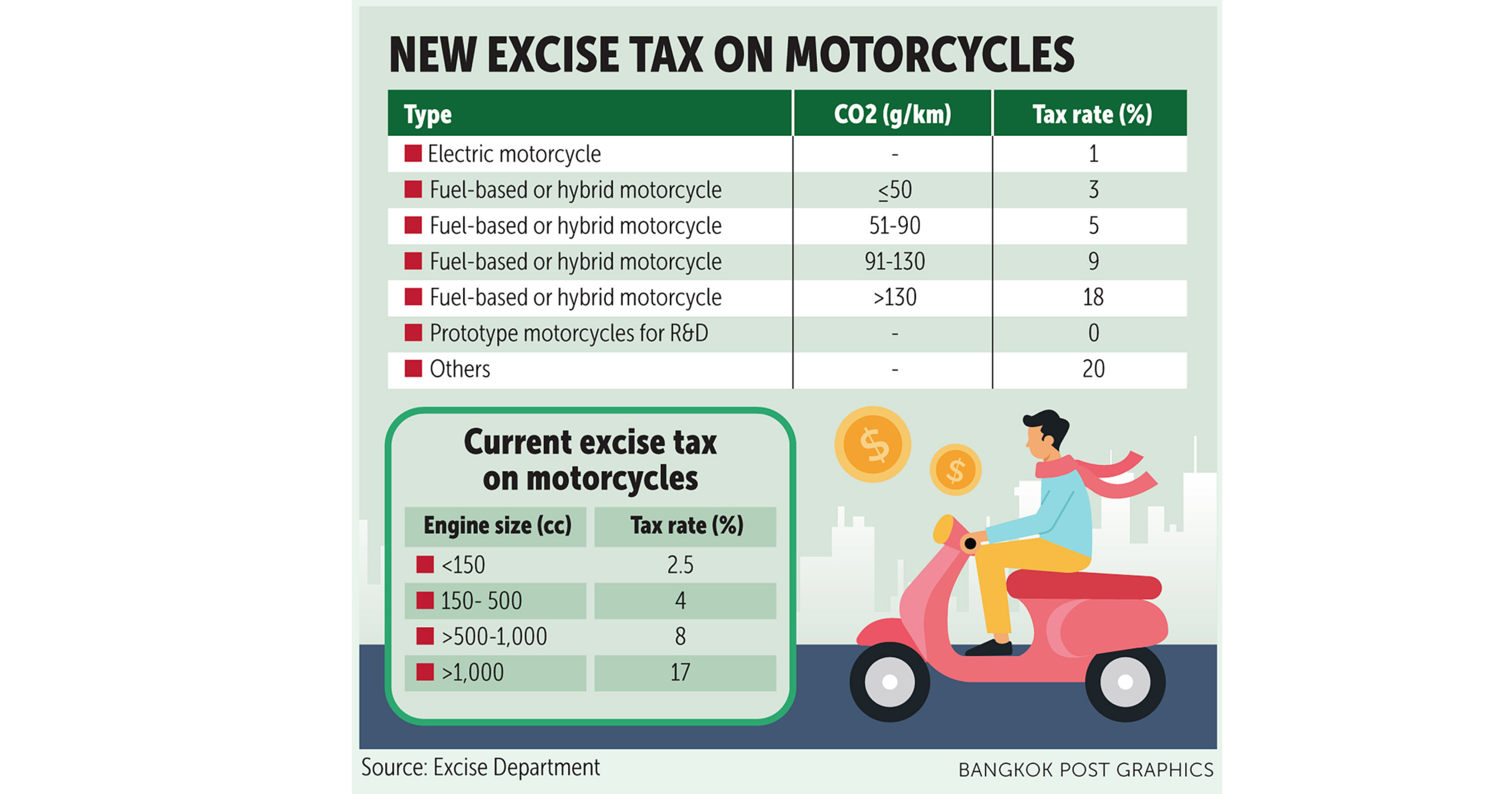
- Tax Policy: According to Electric Vehicle Incentives Unveiled for 2024–2027, the excise tax for electric motorcycles was reduced to only 1%, making Thailand one of the most competitive tax incentive markets in the region.
- 30@30 Strategy: By 2030, at least 30% of total domestic vehicle production will be battery electric vehicles, showing a clear commitment to the green transport roadmap.
- EV 3.0 & EV 3.5: The support packages require a production-to-import ratio of 1:1, and from 2025 this will increase to 1.5:1. This regulation forces international car makers who want incentives to invest in direct production in Thailand instead of only importing.
It can be seen that Thailand’s EV policy creates big opportunities for consumption, encourages investment in local production capacity and R&D. This is the foundation for Thailand to move closer to the Net Zero 2050 target, and it also opens wide cooperation space for universities and research institutes to join EV battery technology and innovation projects.
2. Data and Current Situation of Thailand’s EV Market
In recent years, the electric motorcycle market in Thailand has gone through strong changes, from a period of rapid growth to a clear slowdown.
2.1 EV ThaiLand 2023 – Initial Growth:
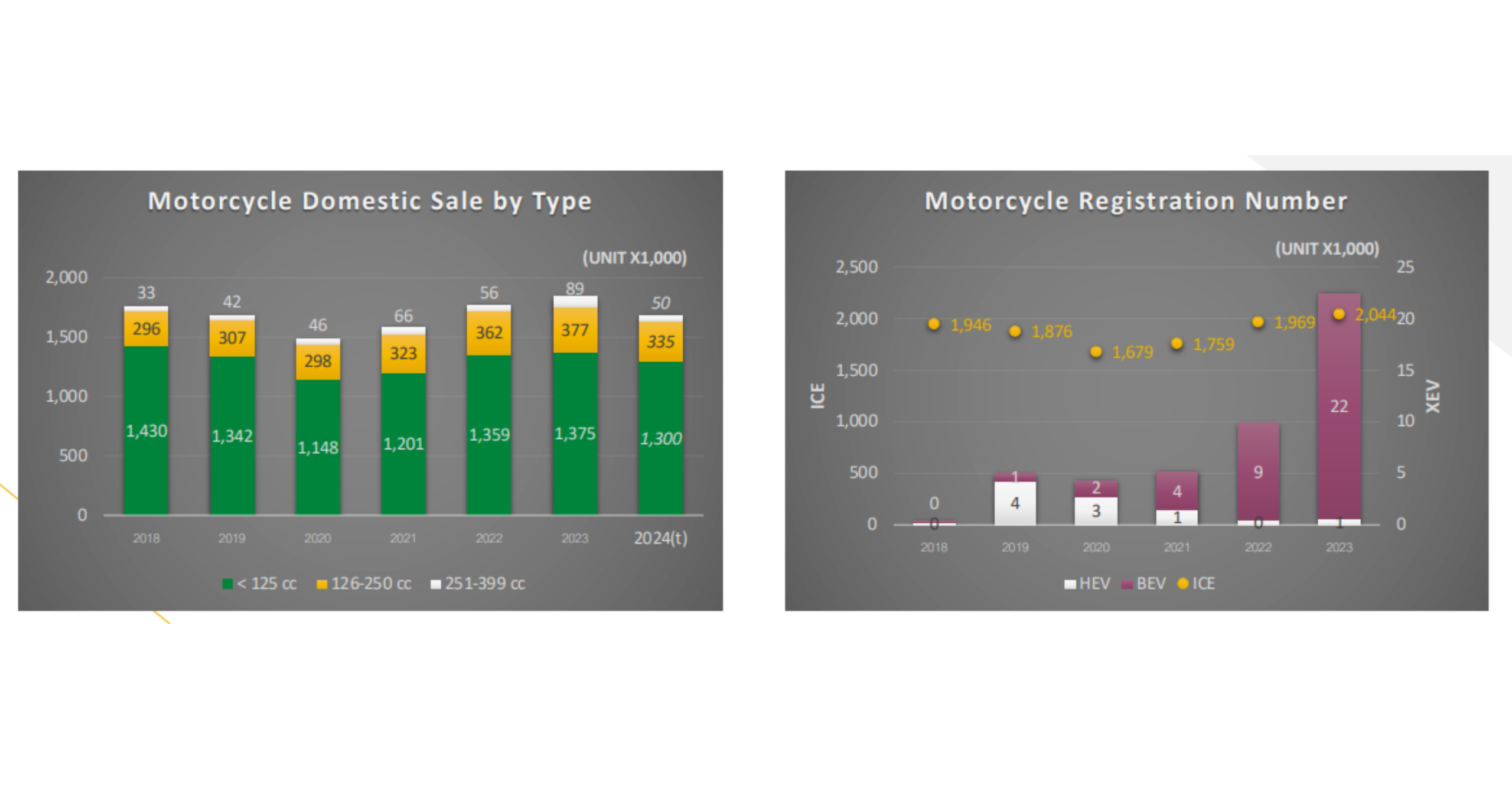
The year 2023 is considered a turning point for the EV market in Thailand. According to the Thailand Auto Sales 2024 report, more than 78,000 electric vehicles were sold, making EVs account for about 20.5% of new car sales, a growth of nearly 705% compared to 2022. This number shows that Thai consumers are gradually overcoming hesitation in switching from traditional gasoline cars to electric vehicles.
2.2 EV ThaiLand 2024 – Market Slowdown:
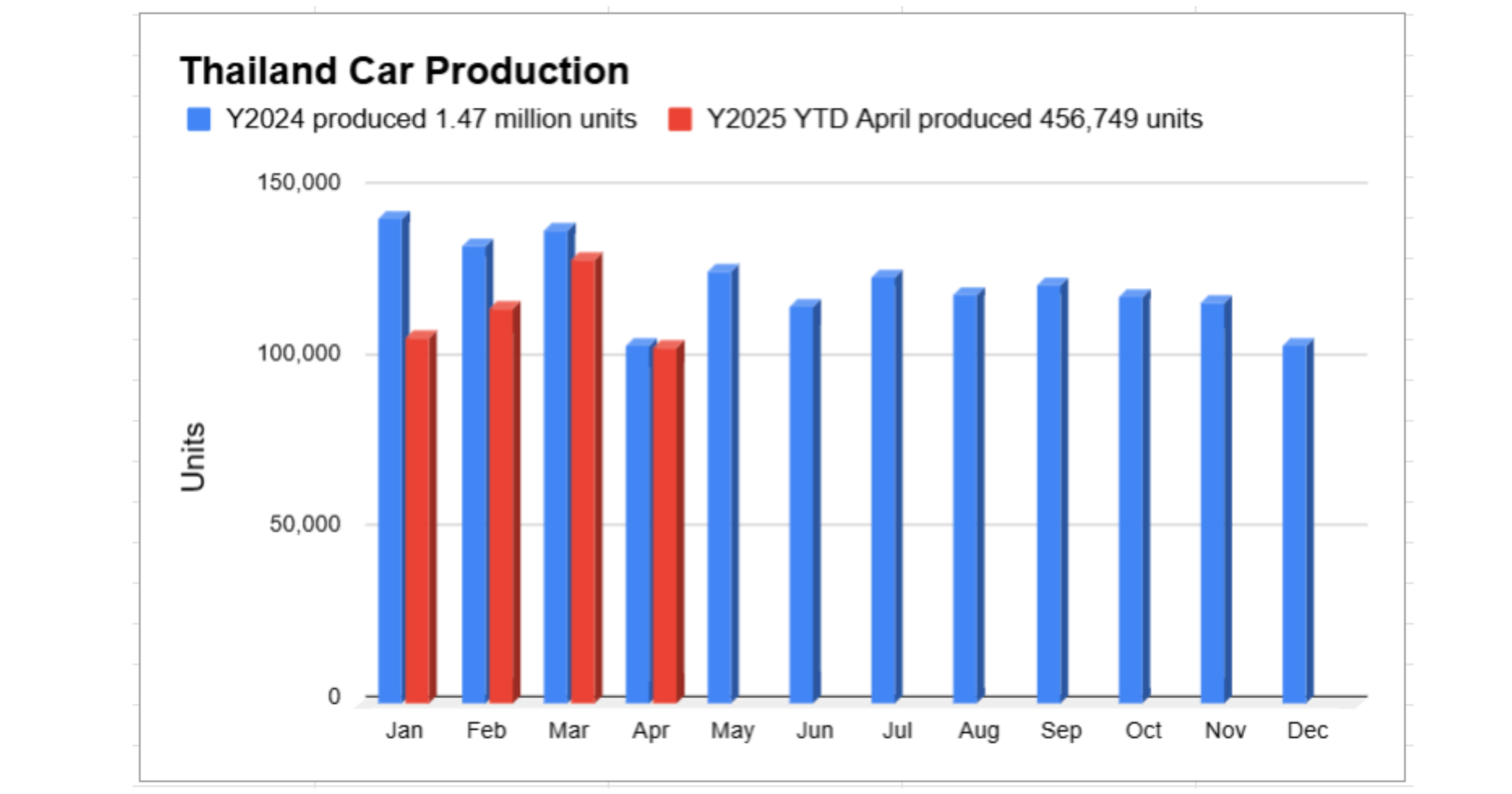
After the record growth in 2023, EV Thailand market entered an adjustment phase in 2024. Total EV sales reached only about 57,675 units, down more than 26.18% compared to 2023, according to the Thailand Auto Sales 2024 report. Although EVs still kept a significant share in the automobile industry, this decline shows a drop in consumer demand and confidence.

2.3 EV Thailand 2025 – Forecast and Outlook:
In 2025, EV Thailand market is showing signs of recovery. In the first seven months, new EV registrations reached 66,000 units, almost equal to the whole of 2024, accounting for nearly 20% of new car sales, according to the Nation Thailand 2025 report. Full-year sales are forecasted to increase by about 40% compared to 2024.
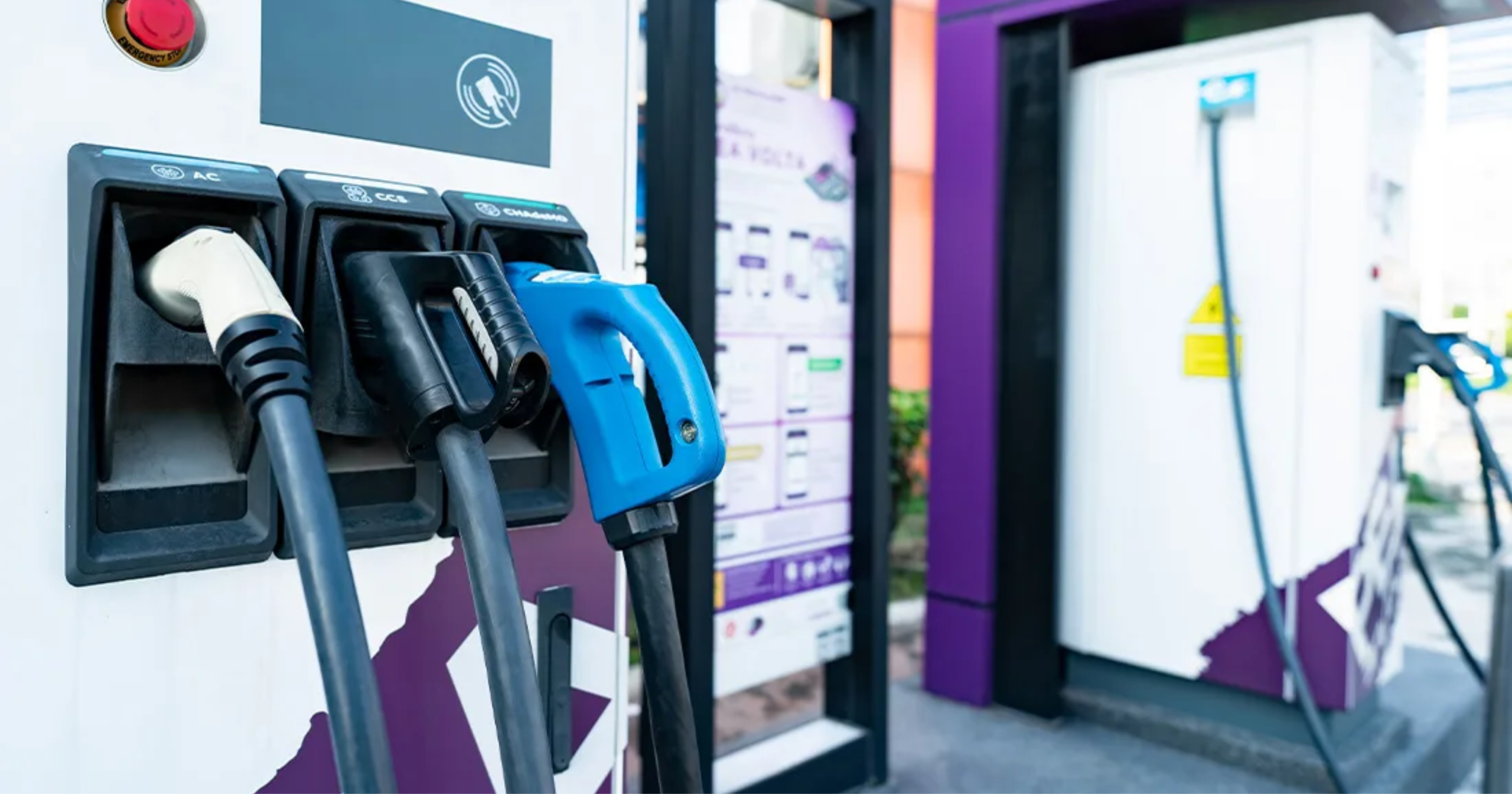
Along with the domestic market, Thailand also plans to start promoting EV exports in 2026. This will be an important stage to strengthen consumer confidence and confirm Thailand’s position in the regional EV supply chain. However, fast-charging infrastructure and battery costs remain major challenges, making 2025 a year to rebuild market confidence before moving toward more stable growth.
3. 4 Main Reasons for the Decline in Growth
There are four main reasons explaining the strong decline of the electric motorcycle market in Thailand today.
3.1 Limited and Incomplete Infrastructure
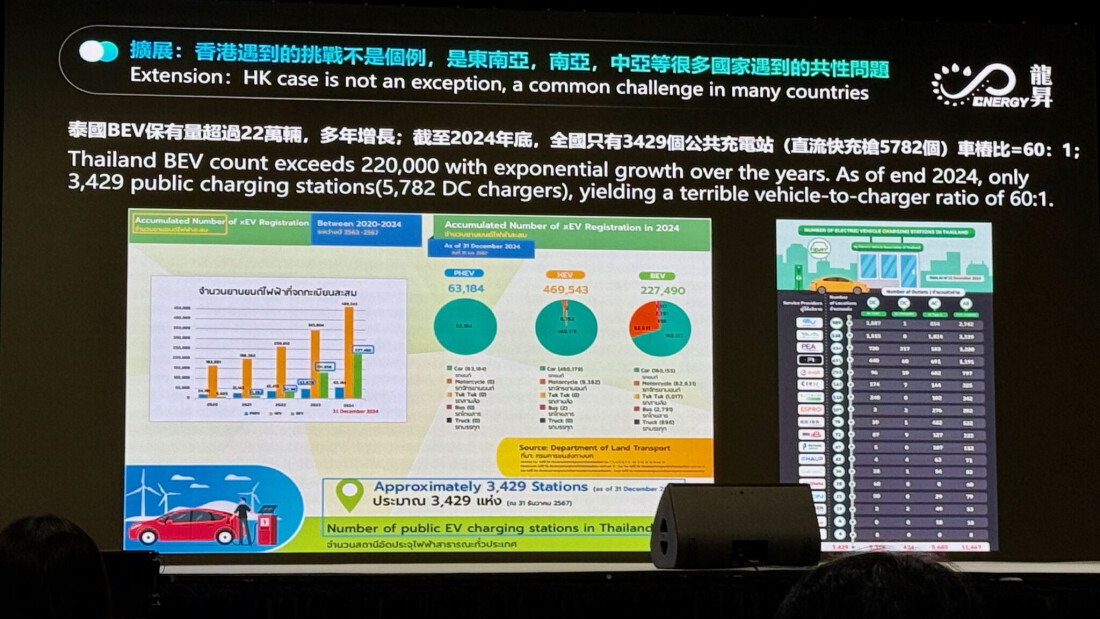
The infrastructure for electric vehicles still does not meet the usage demand nationwide, and charging stations are unevenly distributed, mostly located in big cities such as Bangkok. In addition, the battery swapping model is still in the testing stage, without common standards for size and protocol, so it has not really brought convenience to users.
3.2 Consumers Still Worry About Convenience and Battery Cost
Although electric vehicles are getting more attention, many barriers still make consumers hesitate:
- Battery takes a large part of EV cost: Batteries account for 30 – 40% of the total value of an EV, and replacement cost ranges from 12,000 – 14,000 baht, which is quite high for most users.
- Battery lifespan is not long: On average only 800 – 1,000 charging cycles (≈ 3 – 4 years), after that the capacity drops to 70 – 80%.
- Electric motorcycles are still more expensive than gasoline ones: Even with subsidies, they are still 20 – 30% higher than gasoline motorcycles in the same segment.
- High initial cost, together with expensive battery replacement and limited durability, are the main reasons why consumers still hesitate with green vehicles.
3.3 Pressure from Next-Generation Battery Technology
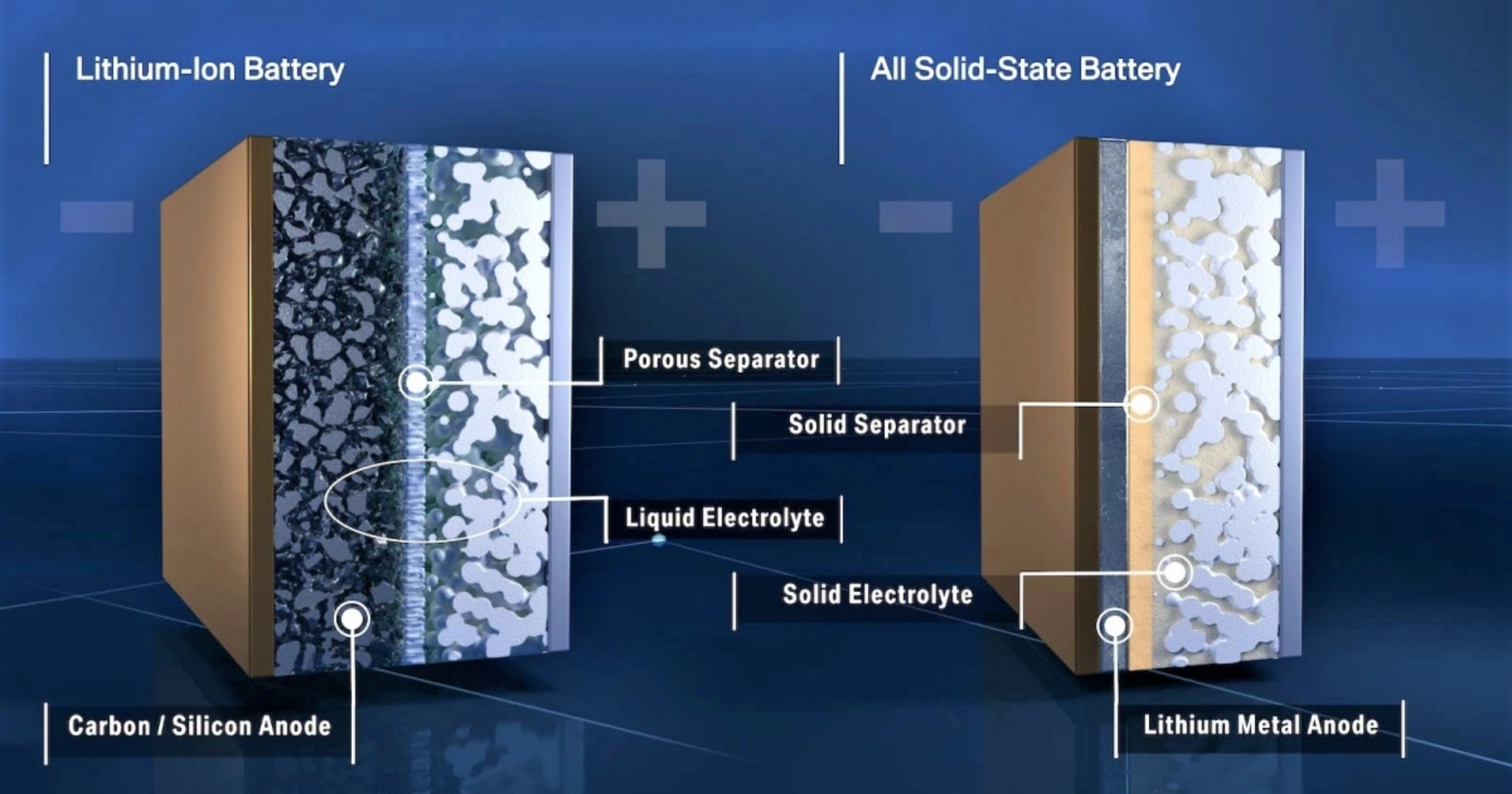
New battery technologies such as solid-state and lithium-sulfur are often promoted with outstanding advantages: double capacity, safer, and faster charging. This creates a “waiting mindset” among consumers, as they worry that if they buy an EV now, within a few years the product will quickly become outdated when the new technology is released. This expectation for the future makes many people hesitate to decide on buying an EV today.
3.4 Strict Certification Process for EV Battery Quality
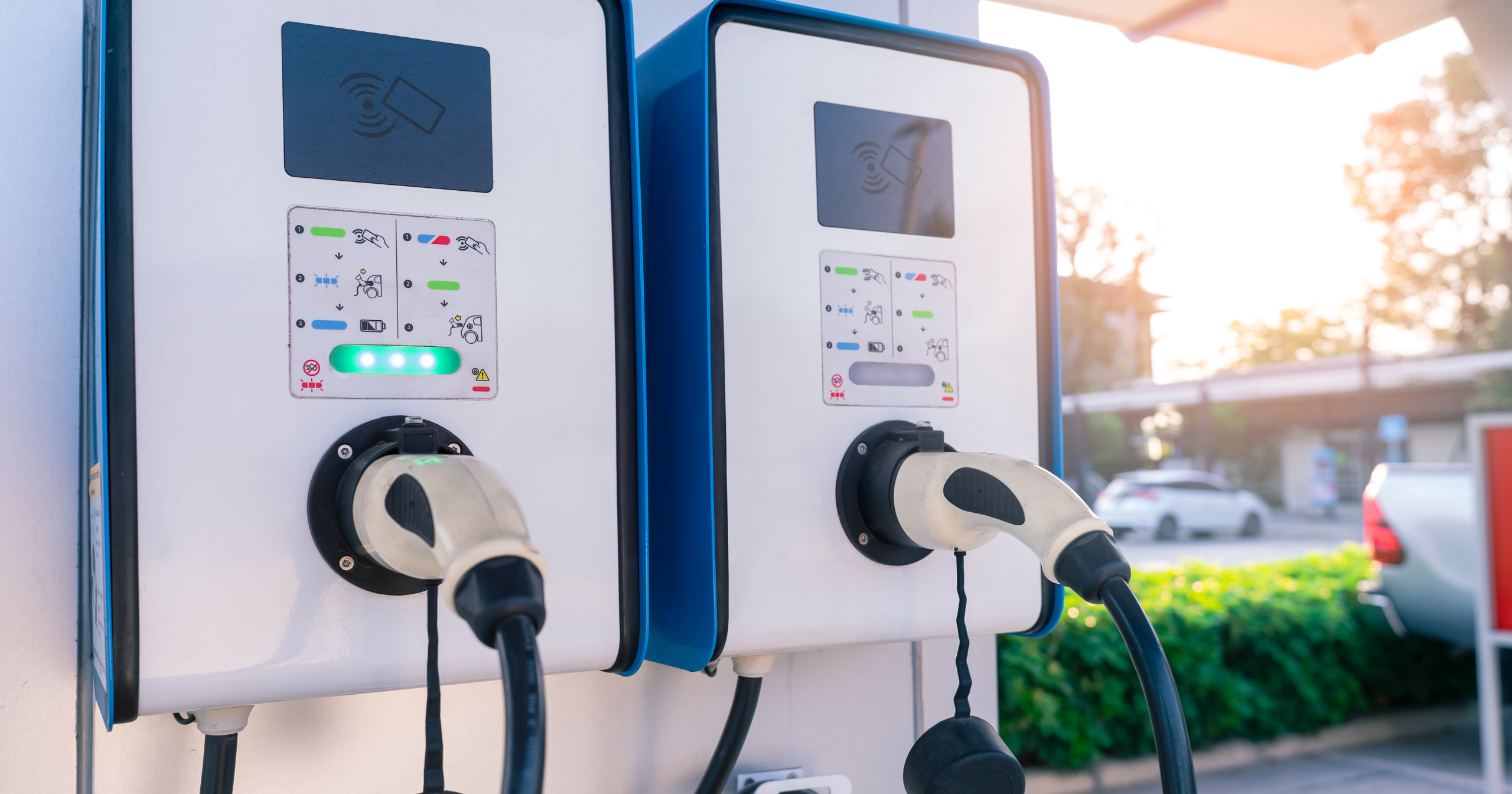
All EV batteries, whether imported or locally produced, must pass inspection at national centers such as TISI and ATTRIC. This process includes many strict steps: electrical safety testing, heat resistance, mechanical durability, charging and discharging performance, and environmental checks. Only batteries that meet the standards are allowed to enter the market, ensuring safety for users and the EV ecosystem.
The strict certification process makes the timeline longer and increases testing costs, becoming a major barrier for products to reach the market.
4. Future R&D Technology Trends in the EV Thailand Industry
Thailand’s EV market has had a strong start but still faces many limitations in infrastructure, cost, and technology. Therefore, the next stage should not only focus on expanding the number of vehicles but also set a clearer direction.
- Green and Recyclable Battery Technology: Toward the Net Zero 2050 goal, the Thai government has set a standard that EV batteries must have a lifespan of at least 1,000 charging cycles. This opens the trend of R&D for batteries with longer life, higher efficiency, and at the same time promotes battery reuse technologies to reduce industrial waste in the future.
- Fast and Ultra-Fast Charging Technology: Charging technologies with power ≥150 kW are being strongly developed, helping to shorten charging time from 10% to 80% in only 15–30 minutes. This is an important step to solve the worry of long waiting times, while also improving user experience and encouraging people to switch to EVs.
- Smart Mobile Charging Stations: In the future, Thailand will not only expand fixed charging stations but also research mobile charging stations. This solution allows EVs to be charged in areas without infrastructure, increasing convenience for users. The government also encourages Proof-of-Concept (PoC) testing so that this technology can be applied widely.
- Battery Swapping Technology: Instead of waiting hours for charging, users can swap batteries in only 20 seconds compared to 4 hours of traditional charging. This trend makes EVs more convenient, matching the fast travel habits of Thai people and reducing pressure on fixed charging infrastructure.
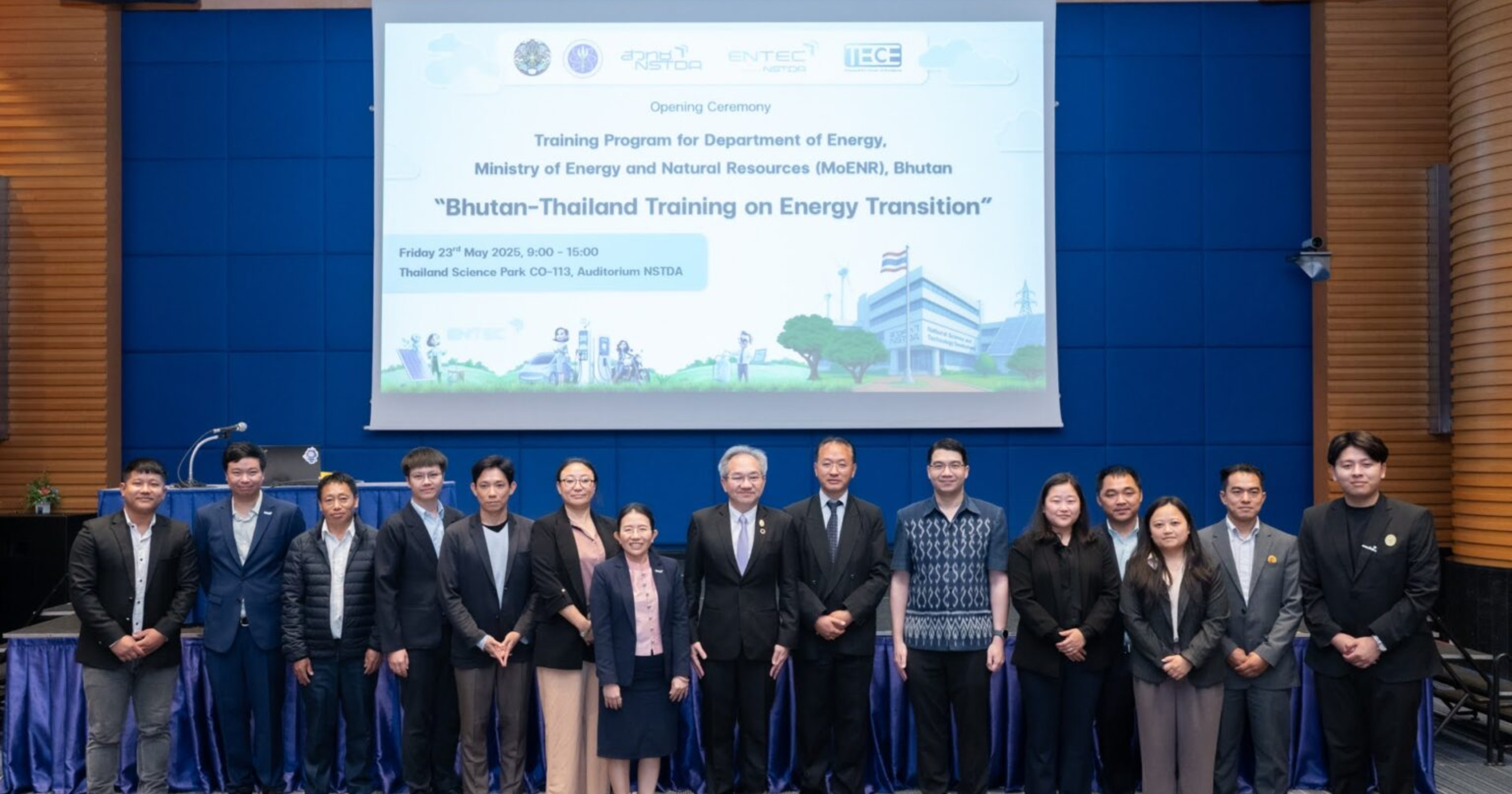
Training and International Exchange Programs: In addition, the Thai government, through ENTEC and NSTDA/TECE, organizes training and international exchange programs on EVs. These provide theoretical knowledge, technical discussions, and research facility visits. The programs help researchers strengthen capacity, validate EV technologies in practice, and create opportunities to learn and apply green energy solutions such as EV batteries, renewable energy, and hydrogen.
The programs also promote cooperation between researchers, universities, and enterprises, supporting technology transfer and testing of new solutions under real conditions. This allows researchers to develop products that meet national standards and fit the real needs of the EV market.
Through incentive policies, production support, and research cooperation programs, Thailand is showing a clear determination to develop the electric vehicle industry. This also gives researchers opportunities to test technologies, develop sustainable green energy solutions, and at the same time strengthen R&D capacity toward the Net Zero 2050 goal.
JOIN US: M – Kampus always welcomes researchers and experts to join the ASEAN innovation ecosystem. Here, you can connect with businesses, universities, and organizations to expand cooperation. You will have the chance to test technologies in real projects and together create breakthrough solutions for sustainable community development.
_________________________________________________

- ☎️ Contact information:
- Email: Community@mekonglink.asia
- International phone: (+84) 02888868685
- Vietnam phone: (+84) 364689922 (+84) 364689911


Responses