

1. Why does the greenhouse system lose efficiency when scaling up?
In the early stages, when the greenhouse system is still small, operations are usually quite stable. Environmental parameters can be set relatively uniformly while ensuring productivity and product quality. At this scale, the differences between areas are not large enough to create significant deviations.
1.1 Complexity in management when expanding to a large scale
When a business scales up to a large or super-large size, the system is no longer a set of identical greenhouses. Instead, it becomes a network of many areas with different microclimatic conditions, influenced by location, structure, and growth stages of crops.
1.2 Small deviations accumulate into big problems
In a multi-zone environment, applying common configurations easily leads to small deviations between areas. Initially, these deviations are hard to recognize, but over time they accumulate and become apparent through differences in productivity and quality.
For export-oriented production models, where high uniformity is required, these deviations can directly affect the ability to meet standards.
1.3 Gradual loss of detailed control
As the number of greenhouses increases, tracking and adjusting based on experience or fragmented systems are no longer effective. Businesses may maintain stable operations at the overall level but lack the ability to optimize in specific areas.
1.4 The larger the scale, the higher the operational pressure
When deviations are not timely controlled, they affect productivity and lead to increased operating costs and greater management risks. Small problems in each area can quickly spread and cause significant losses for the entire system.
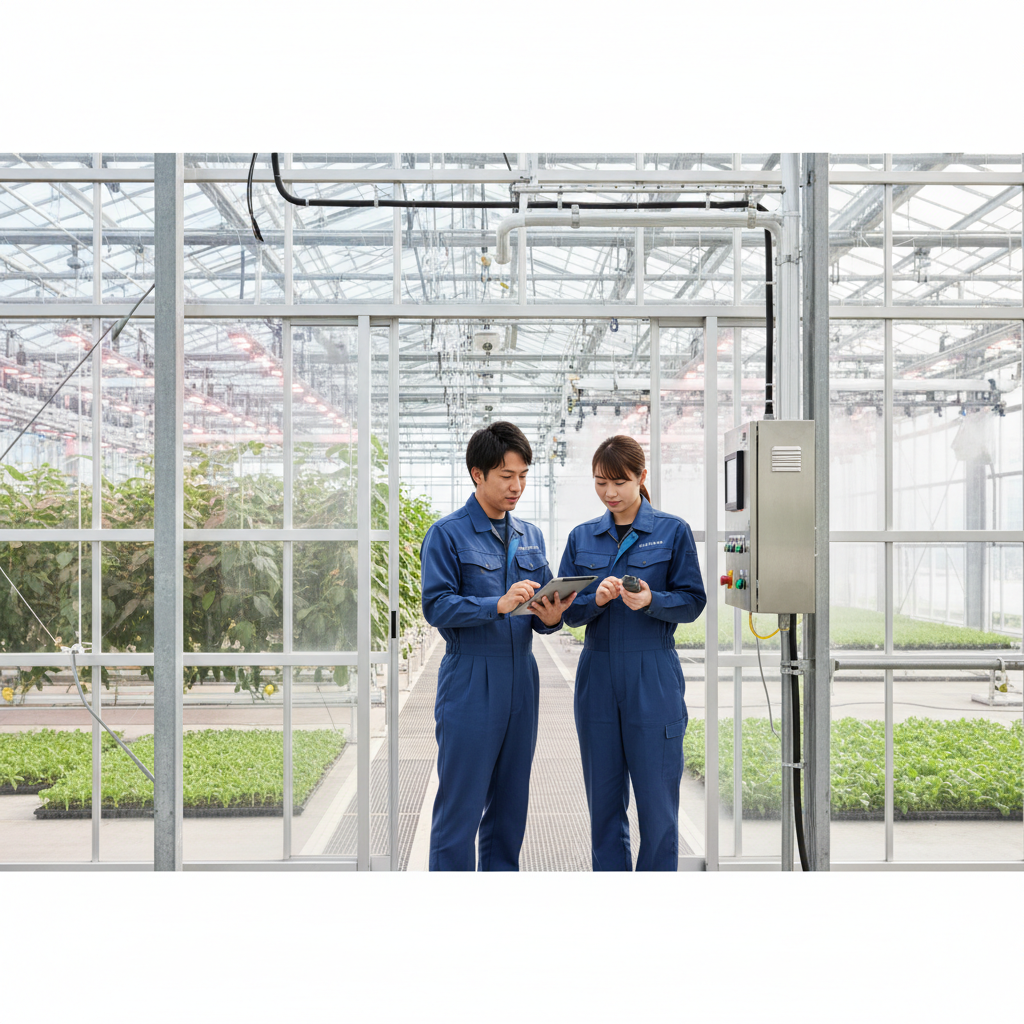
2. Impacts on Operational Efficiency When the Greenhouse System is Not Optimized for Scaling Up
Failing to solve this problem directly affects product quality. When each area is not optimized for the right conditions, products become inconsistent and fail to meet export standards.
Productivity is also affected due to unsuitable cultivation conditions for each growth stage. Additionally, operation costs increase with the need for manual monitoring or operating multiple separate systems.
2.1 Financial impact:
Products that do not meet standards can be discarded or priced lower, reducing revenue. Increased operating costs shrink profits, directly affecting competitiveness.
2.2 Workforce impact:
Businesses need more staff to operate and monitor, while skilled agricultural labor is scarce in ASEAN.
2.3 Long-term strategic risks:
The lack of effective management systems makes it difficult for businesses to scale up, experiment with new varieties, and meet ESG standards.
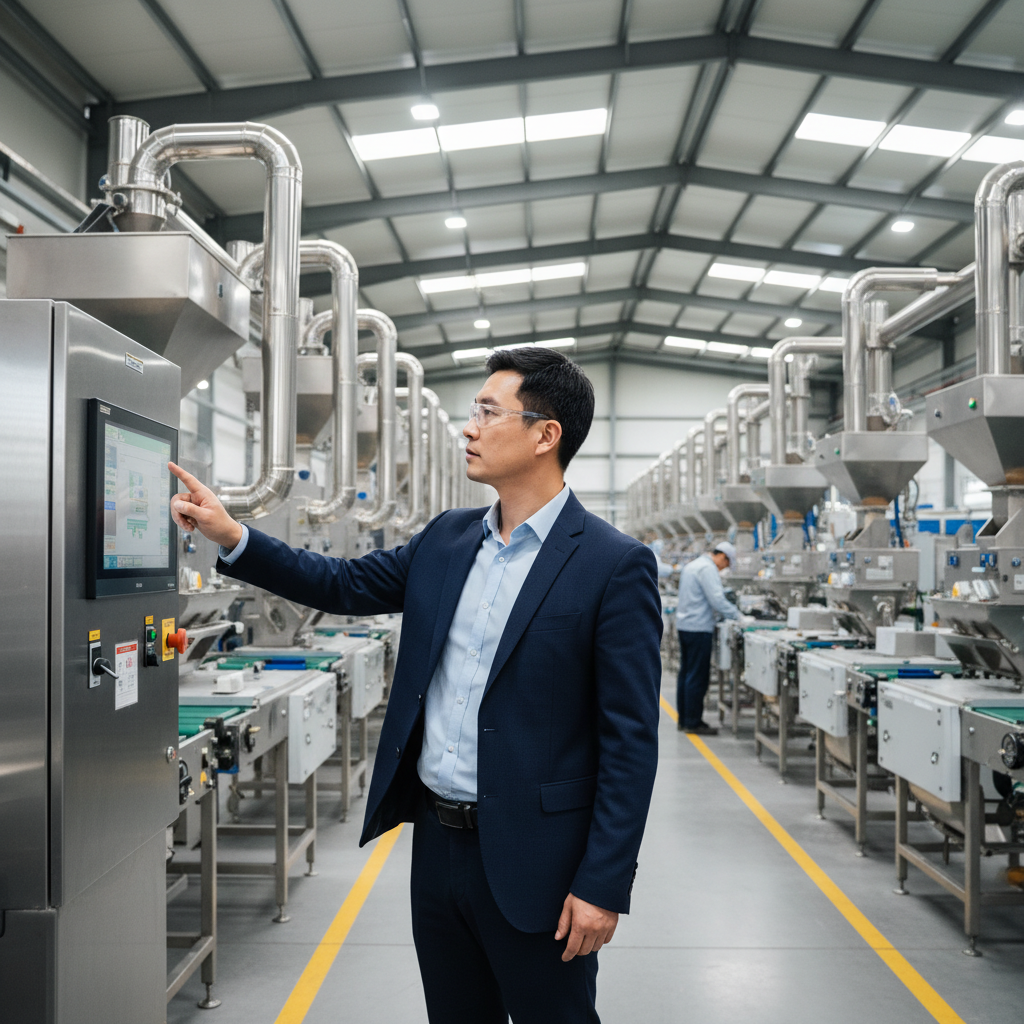
3. Commonly Applied Methods and Their Limitations
3.1 Using a Simple, Unified Management System for the Entire Greenhouse
This approach simplifies operations and reduces initial costs. However, it does not meet the unique microclimate needs of each zone, leading to suboptimal productivity and inconsistent quality.
3.2 Deploying Multiple Independent Systems, Each Managing a Separate Area
This solution allows flexibility for each area but causes data fragmentation, increases costs, and complicates overall management. In the context of the ASEAN export market’s increasing quality and traceability demands, both methods are no longer suitable.
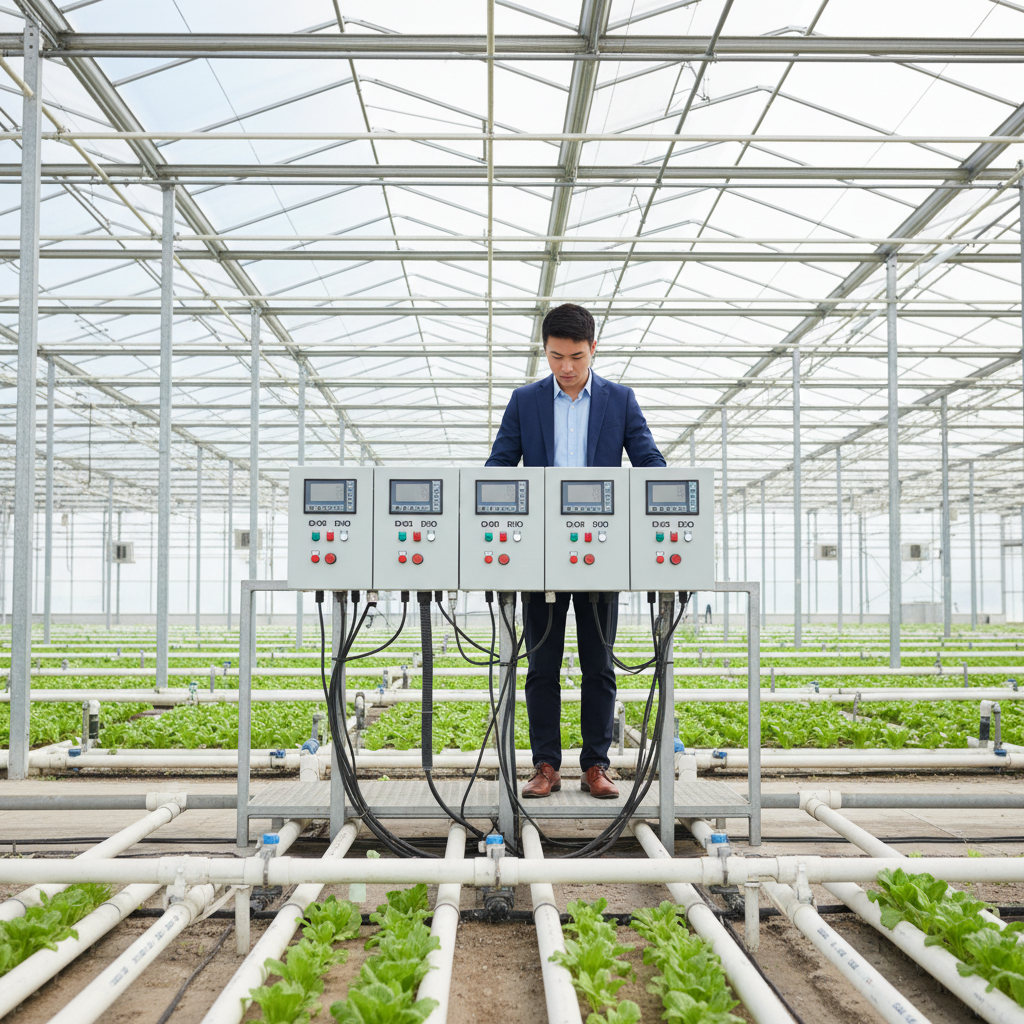
4. Solution: Cloud-based Modular Smart Farm Solution
To solve this problem, advanced agricultural models are transitioning to Cloud-based Modular Smart Farm Solution, a modular architecture greenhouse system management platform combined with cloud computing.
This solution allows each zone to operate independently with its conditions but is still connected in a centralized management system. As a result, businesses can maintain flexibility while ensuring overall control.
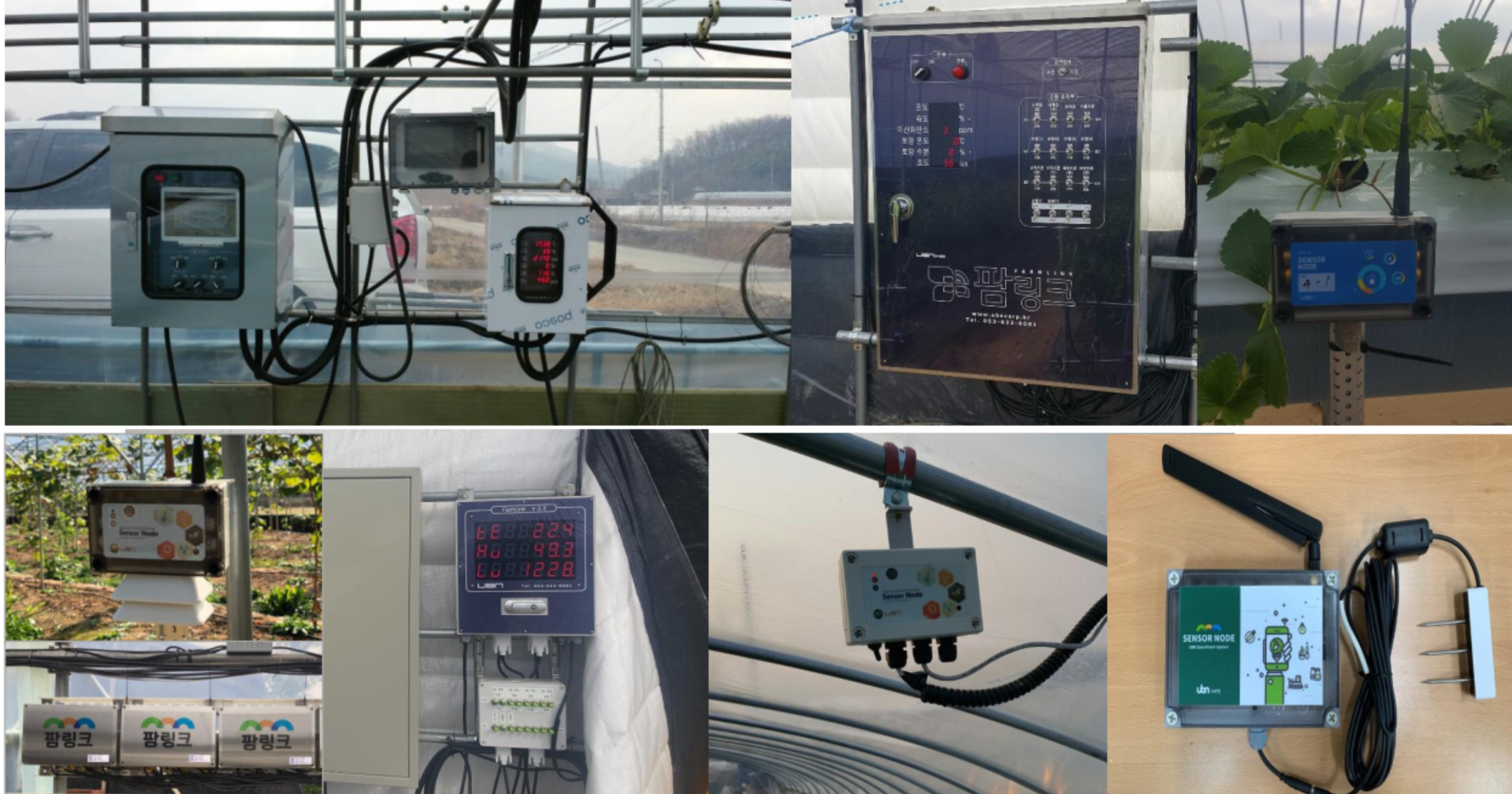
Integrating IoT sensors and real-time data helps accurately monitor environmental factors such as temperature, humidity, light, and CO₂ in each area. Data is processed on the cloud platform, supporting quick analysis and decision-making.
According to Southeast Asia Magazine, deploying AI drones in Thailand and Indonesia helps farmers optimize production processes and increase rice yields by 10 to 15%. Directly applying AI technology for disease diagnosis also helps small-scale farmers reduce crop losses by 20 to 30%, significantly enhancing production efficiency.
Moreover, zone-by-zone automation helps optimize irrigation, climate regulation, and considerably reduces manual workload. This is especially important in the context of labor shortages.
5. Why is this Solution Suitable for ASEAN Agricultural Businesses?
Large agricultural corporations in ASEAN often operate on areas ranging from tens to hundreds of hectares, with complex and diverse value chain structures. To meet this scale and complexity, modular and distributed technology solutions are increasingly necessary. They help businesses integrate flexibly and expand systems while ensuring each production area can be controlled and adjusted independently.
This is suitable for multi-region management models, where each production area may require different operating parameters while remaining unified in a large-scale enterprise ecosystem.
Optimizing the export supply chain is always a priority for large agricultural corporations in the region. To meet uniform standards for quality and yield, businesses need to tightly manage each production area. The ability to accurately control each zone helps reduce the rate of rejected products, thereby maintaining consistent quality.
According to the 2023 report by mst.gov.vn, Sustenir – a high-tech agricultural startup in Singapore – has achieved yields in indoor farms at least 14 times higher than traditional models, thanks to technology solutions. This illustrates the benefits of systematically controlling each production area on a large scale.
Additionally, as agricultural corporations aim for increasingly high ESG targets, technology helps optimize the use of water, fertilizer, and energy, factors closely monitored by international partners. Zone control solutions clearly quantify resource consumption and enhance operational transparency, laying the foundation for businesses to achieve sustainable commitments.

6. It’s Time to Transition to Smart Greenhouse System Management by Zone
Agricultural corporations in Vietnam, Thailand, and Indonesia are facing major challenges in managing multiple greenhouses, where each area requires unique conditions. The root cause lies in the lack of sufficiently flexible integrated platforms, limits of traditional technology in micro-data collection, and high costs when deploying fragmented solutions. This leads to inconsistent product quality, lower than potential productivity, increased operating costs, and weakens competitive advantage in demanding export markets.
However, this issue can be completely resolved. By adopting smart agricultural technology solutions such as modular distributed platforms, zone-specific automation with wireless control, and real-time data monitoring at the zone level, businesses can overcome the trade-off between centralized control and local flexibility.
Investing in these technologies not only optimizes productivity and product quality but also reduces long-term costs, meets export standards, and promotes sustainable development for large-scale agriculture in the region.
👉 If you are struggling with managing multiple greenhouses or want to enhance operational efficiency, explore Cloud-based Modular Smart Farm Solution to build a flexible zonal management system while maintaining centralized control.
📩 Contact or leave information fill form for support from Mekonglink to find a solution suitable for your farm scale and business goals.
———————————-

☎️ Contact information:
1. Email: Community@mekonglink.asia
2. Website: mekonglink.asia
3. International phone: (+84) 02888868685
4. Vietnam phone: (+84) 364689922 (+84) 364689911


Responses