
1. Why is the Risk of Greenwashing Increasing in ESG Projects?
1.1 The Gap Between Global ESG Standards and Local Realities
Businesses in ASEAN must comply with global international ESG standards, while local conditions regarding geography, ecology, and society are very different, especially in sectors such as agriculture, environment, and infrastructure.
This gap leads many reports to not accurately reflect actual impacts, thereby increasing transparency risks. Data from DNV (2023) shows that the majority of greenwashing behavior stems from a lack of transparency, including selective information, use of irrelevant data, or incomplete disclosure.
1.2 ESG Reporting Pressure and Lack of Independent Verification Mechanisms
The growing demand to demonstrate sustainability commitments is driven by strong stakeholder interest. Under this pressure, many businesses announce commitments but lack independent verification systems and on-site expertise, which can easily lead to self-reported data or reliance on certifications that have not been substantively audited.
1.3 Difficulties in Measuring Environmental – Social Impacts
Measuring and quantifying the environmental or social impacts of projects, especially green infrastructure projects or nature-based solutions, often involves many technical constraints and requires deep knowledge. The lack of standardized measurement methods means reported data may not accurately reflect reality.
Furthermore, relying on estimates instead of practical data also creates significant discrepancies in impact assessment. These factors together deepen the risk of misreporting and expand the risk of greenwashing in actual implementation.
2. How Does Greenwashing Affect Businesses?
2.1 Operational and Legal Risks
Greenwashing can create significant operational and legal risks for businesses. When discovered, businesses may face strict penalties such as financial fines, product recalls, or bans on product circulation. The case of Volkswagen in the 2015 emissions scandal is a prime example, with over 30 billion USD in damages and a sharp decline in market capitalization in just 9 months.
Beyond legal risks, greenwashing also increases operational costs and complicates environmental assessment and licensing processes. The lack of solutions based on actual data also leads to low implementation effectiveness, consuming resources without achieving sustainability goals.
According to the European Commission, 53.3% of environmental claims are assessed as vague or misleading, and 40% lack sufficient supporting evidence. This highlights the significant risk when businesses rely on “green” messages without field data and reliable verification mechanisms.
2.2 Impact on Finance and Access to Green Capital
Financial impacts are evident when greenwashing businesses are excluded from green finance channels. Greenwashing can cause businesses to lose access to green capital as investors and financial institutions increasingly scrutinize ESG claims. At the same time, this behavior also diminishes brand value and market trust. When trust is affected, businesses not only face the risk of reduced revenue but also incur additional costs to handle media crises. In the long term, greenwashing can lead to reputational damage, financial losses, and legal risks.
2.3 Strategic Risks and Long-Term Market Trust
Deloitte Gen Z and Millennial Survey 2024 shows that about two-thirds of Gen Z (64%) and millennials (63%) are willing to pay more for sustainable products/services, reflecting a high level of environmental concern in consumer behavior and personal values. This supports the argument that the young workforce also prioritizes organizations with a clear sustainability orientation.
Additionally, a compilation from the IBM Institute for Business Value shows that 71% of employees and job seekers view environmentally sustainable companies as more attractive employers, and this rate rises to 84% among Gen Z. This data indicates that greenwashing not only affects the present but also hinders the long-term competitiveness of businesses.

3. Current Status of ESG Implementation and Business Limitations
3.1 Reliance on Global Certifications and Internal Reports
Many businesses use standards such as ISO 14001 or LEED to demonstrate ESG commitments. However, these certifications primarily assess at the system or design level, not fully reflecting implementation effectiveness under actual local conditions.
Alongside this, increased internal reporting and self-disclosure of ESG data are not sufficient to build trust without independent verification. EY’s 2024 investor survey shows that 85% believe greenwashing has become a more serious problem compared to 5 years ago, and 93% state that corporate sustainability reports contain unsubstantiated claims to some extent. This indicates that self-disclosure of information is not enough to convince the market without clear verification mechanisms.
3.2 Lack of On-Site Technical Evidence
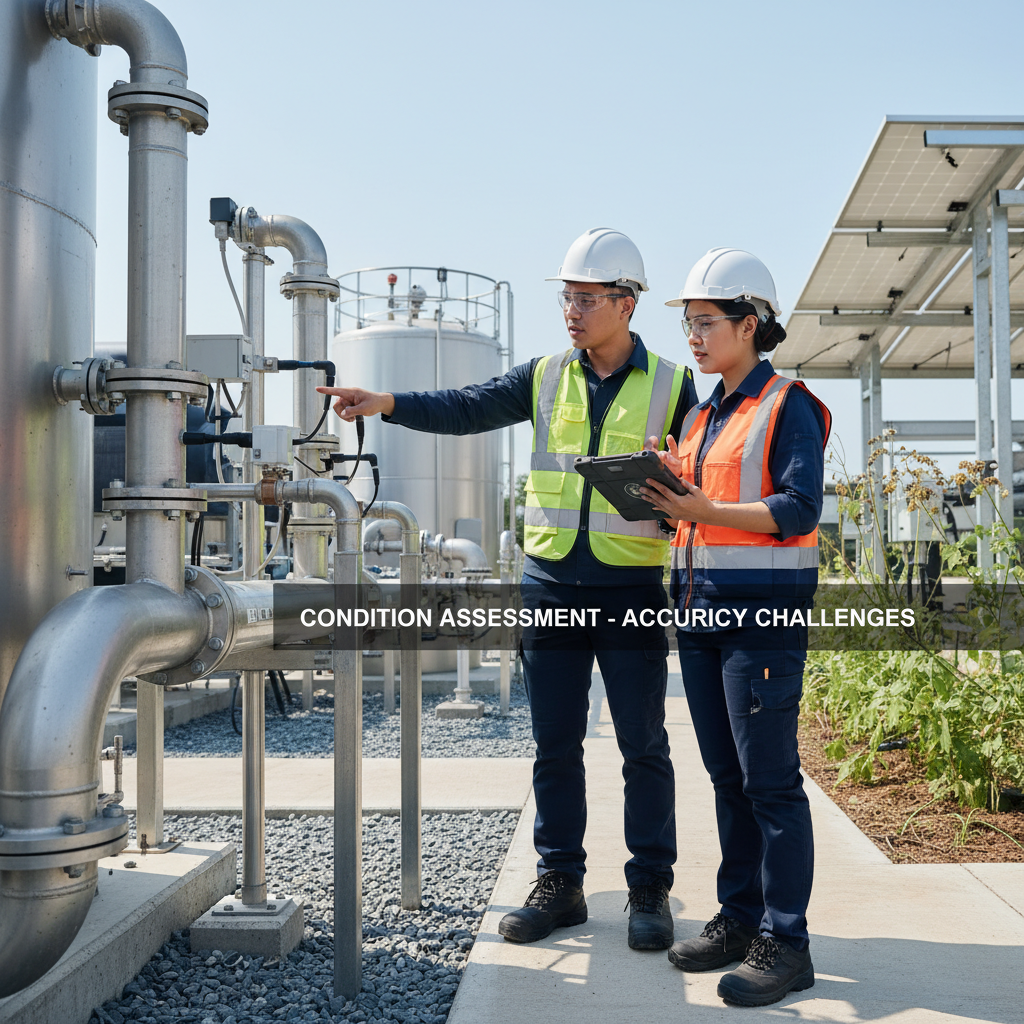
In actual implementation, many “green” solutions such as natural materials or environmentally friendly designs still lack on-site verification data, especially regarding durability, long-term performance, and adaptability to specific conditions.
OECD (2025) also categorizes unsubstantiated claims as a core issue of greenwashing. This indicates that if businesses rely solely on certifications or reports without actual verification, their ability to convince investors and regulatory bodies remains very limited.

4. Solutions to Help Businesses Implement ESG More Effectively
4.1 Leveraging Local Expert Networks
Local expert networks play a crucial role in verifying and providing practical evidence for sustainable projects in ASEAN. Their role is based not only on technical expertise regarding the specific conditions of each country but also stems from widespread regional cooperation. This system is clearly demonstrated in programs such as the “Environmentally Sustainable Cities Model (ESCM)” funded by the Japan-ASEAN Cooperation Fund, which started in 2003 and has now been implemented in 14 cities across 8 countries, including Cambodia, Indonesia, Laos, Myanmar, Malaysia, Philippines, Thailand, and Vietnam.
4.2 Building ESG Measurement Frameworks Suitable for Each Locality
Research, data collection, and standardization activities for measuring sustainability effectiveness are systematically implemented in ASEAN, thanks to the “Environmentally Sustainable Cities Model” initiative. This effort focuses on establishing a data system, organizing public-private forums, and developing a common set of ASEAN criteria as evaluation standards.
Beyond urban areas, the application of specific measurement methods for each sector is also promoted, for example, co-developing the ASEAN Power Grid (APG) network, connecting renewable energy sources and smart cross-border infrastructure in the region.
4.3 Applying AI & EdTech in Monitoring and Reporting
Enhancing ESG monitoring and reporting capabilities is being promoted through regional cooperation, training, and technology sharing in ASEAN. Many initiatives related to environmental management, emissions control, and circular economy have been implemented, laying the groundwork for applying technology to sustainable governance.
AI and digital platforms help businesses collect and analyze ESG data more effectively, thereby improving report accuracy and supporting continuous monitoring instead of just periodic assessments. At the same time, regional training and cooperation programs also contribute to enhancing ESG implementation capabilities in practice.
Overall, these solutions are focusing on three main directions: verification through local expertise, measurement appropriate to each context, and applying technology to improve the quality of monitoring and evaluation.

5. The Role of Local Verification in ESG Projects
In ESG projects across ASEAN, from erosion control, green infrastructure to agriculture and industrial zones, local experts play a crucial role in verifying the effectiveness of practical implementation. With expertise in geology, environment, irrigation, and construction, they directly evaluate solutions through on-site observation, data analysis, and monitoring of local operating conditions.
These evaluations not only help verify the performance of technologies or materials but also clarify their suitability for the climate, ecosystem, and social context in each region. Simultaneously, independent verification also supports the assessment of factors such as long-term durability, environmental impact, and resource utilization efficiency in actual implementation.
Through this, businesses and project managers can make more accurate decisions, reduce technical risks, and enhance their ability to meet environmental, safety, and sustainable development standards for each type of project.

6. Conclusion: ESG Only Has Value When It Can Be Verified
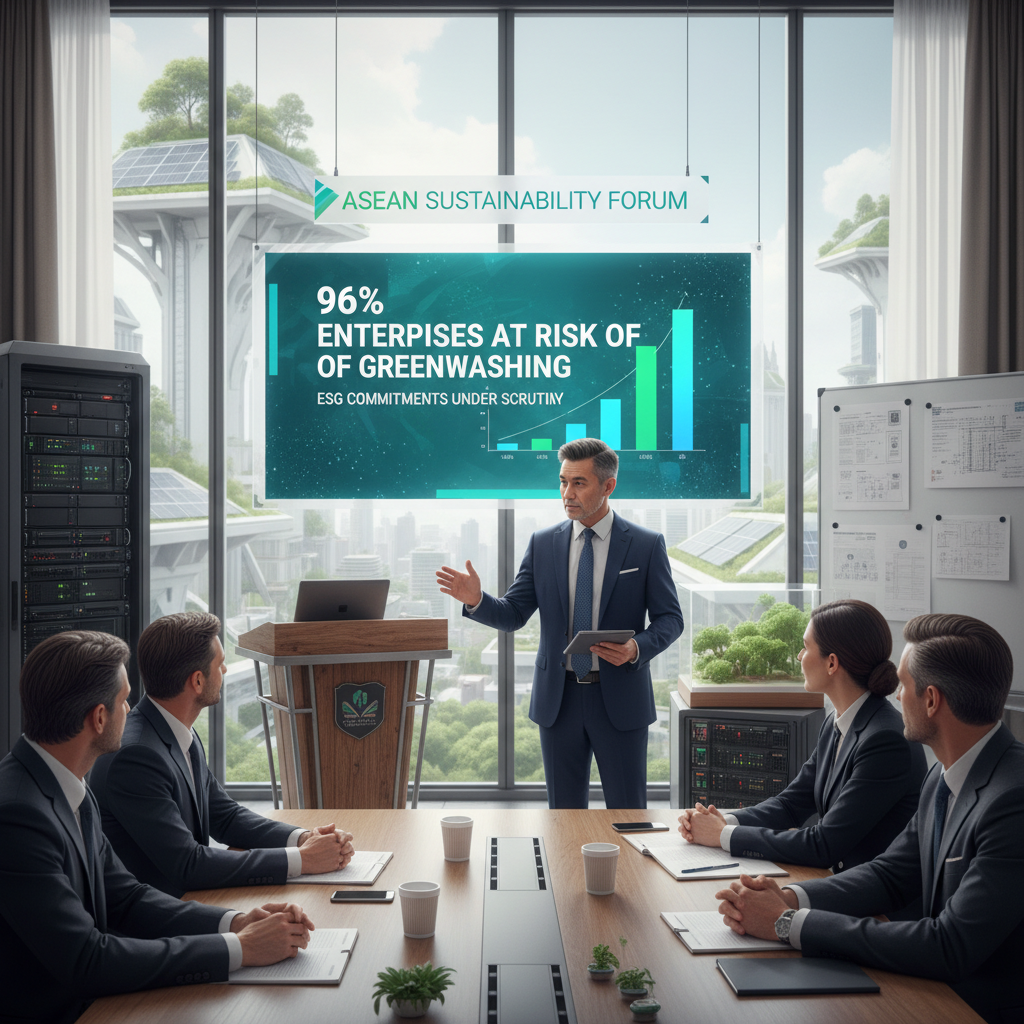
Currently, the risk of “greenwashing” is becoming very common, with up to 96% of businesses at risk of falling into this situation. This indicates a significant gap between what businesses commit to regarding ESG and the actual results achieved. The main reasons are that global standards are not suitable for local conditions, and there is a lack of independent verification mechanisms.
To address this issue, businesses need to shift from “commitment” to “proof” through field verification activities, appropriate measurement, and technology application. Only then will ESG not merely be a report but become a foundation for trust and sustainable development.
ESG only creates value when it can be verified in practice!
>>> Connect with local expert networks to turn ESG commitments into a competitive advantage for your business here.
—

☎️ Contact information:
1. Email: Community@mekonglink.asia
2. Website: mekonglink.asia
3. International Phone: (+84) 02888868685
4. Vietnam Phone: (+84) 364689922 (+84) 364689911


Responses