

1. Student startup reality: Many ideas, few chances to try
Daegu Haany University is one of Korea’s top universities for cosmetics and beauty science.
Thanks to a strong research background, many students have developed promising startup ideas in health and wellness.
However, when trying to expand into Vietnam, most projects faced many barriers — limited market information, no distribution channels, and very few opportunities to test their products with real users.
Through the M-Kampus Global Startup Link, Korean students cooperated with Tien Giang University students to research the market, test their products, and create localization strategies that fit Vietnamese consumers.
2. M-Kampus startup link: a real-world learning program for student founders
The M-Kampus Global Startup Link is designed as a practice-based learning program, giving student entrepreneurs a chance to develop their products in real market conditions. Through the program, startup teams are connected with students from Tien Giang University to explore local insights, including consumer needs, shopping habits, and cultural factors that influence buying decisions.
In addition, the teams receive direct mentoring from professors and experts at Tien Giang University on localization strategies, such as product positioning, communication adjustment, distribution planning, and customer approach in different regions.
The program also provides pilot production funding, allowing the teams to produce sample products and test real market feedback before expanding their business scale.
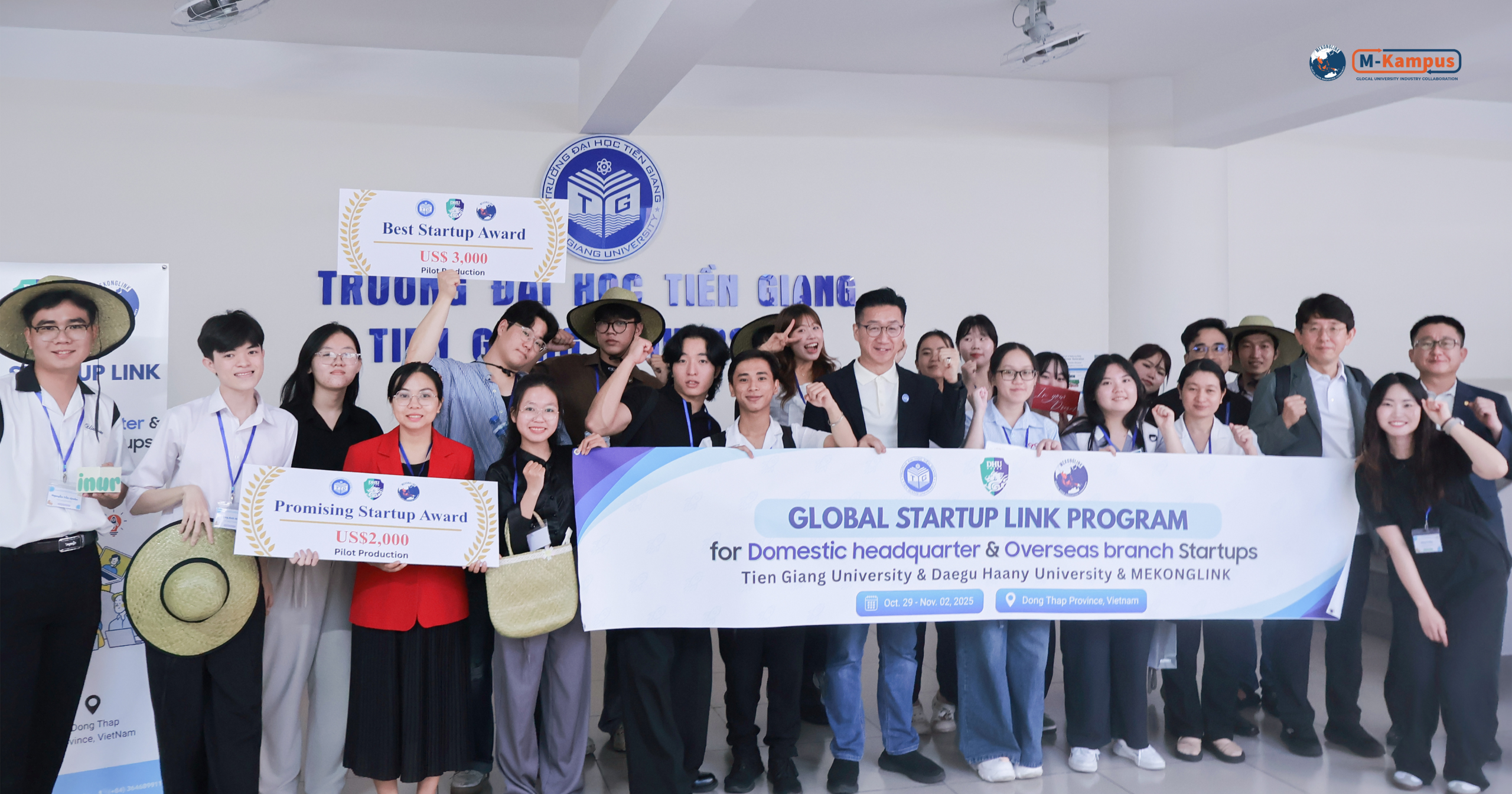
3. Four Korean student startup projects supported by M-Kampus Startup Link
Recently, the M-Kampus Startup Link Program supported four student teams from Daegu Haany University in expanding and developing their products in the Vietnamese market, in collaboration with students from Tien Giang University.
3.1 INUR – The challenge of communication in a new market:
INUR developed a line of bio-microneedle skincare products made from 100% natural Jeju seaweed extract, offering an at-home solution for skin recovery and regeneration. The products are naturally derived and target consumers who prefer safe and eco-friendly beauty products.
Problem: INUR already had its product and communication channels in Korea. However, when entering the Vietnamese market, the brand faced difficulties due to the lack of a localized marketing strategy.
Co-created Solution (by Vietnamese students and mentors): The Vietnamese student team proposed a localized marketing strategy tailored to the behaviors and preferences of Vietnamese consumers. This approach helps the brand become more accessible and trustworthy in the early market entry stage.

3.2 JUNO – Price competition challenge in the market:
JUNO developed a premium skin ampoule line by transforming Vietnamese rice bran, an abundant agricultural by-product, into a key ingredient. The product combines Korean advanced beauty technology with eco-friendly local resources.
Problem: JUNO faced difficulties entering the Vietnamese market because of price differences compared to local consumers’ income levels. Its product price was higher than the average for ampoules in Vietnam, making market expansion more challenging.
Co-created Solution (by Vietnamese students and mentors): The Vietnamese student team proposed a more reasonable pricing strategy for Vietnam. They suggested using the OEM production model to lower manufacturing costs by taking advantage of the locally available rice bran, reducing product prices and improving competitiveness.
In addition, positioning the product at around 420,000 VND, about 13% lower than the average price of ampoules in the Vietnamese market, would make JUNO more accessible to local consumers and support faster market growth.
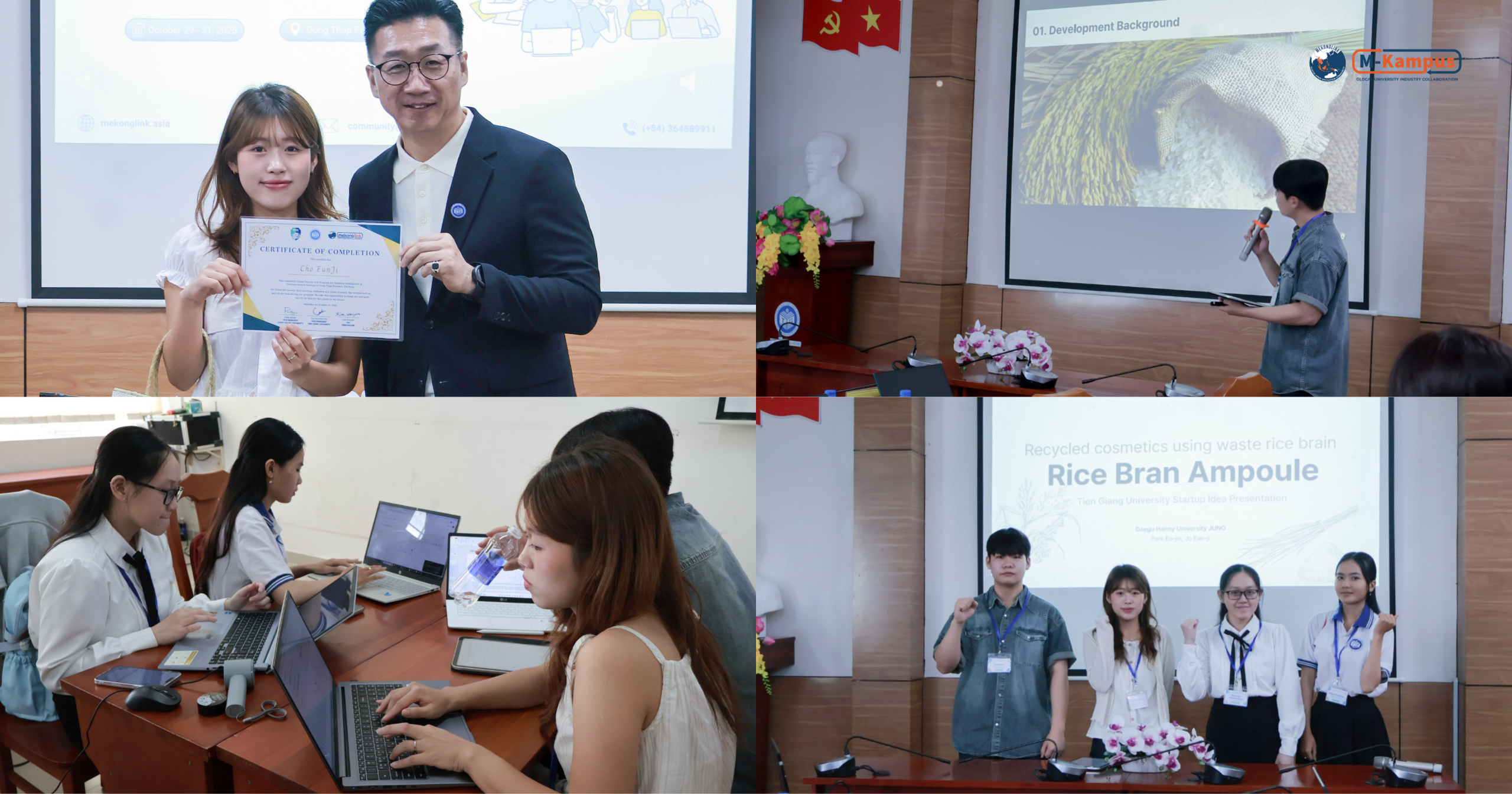
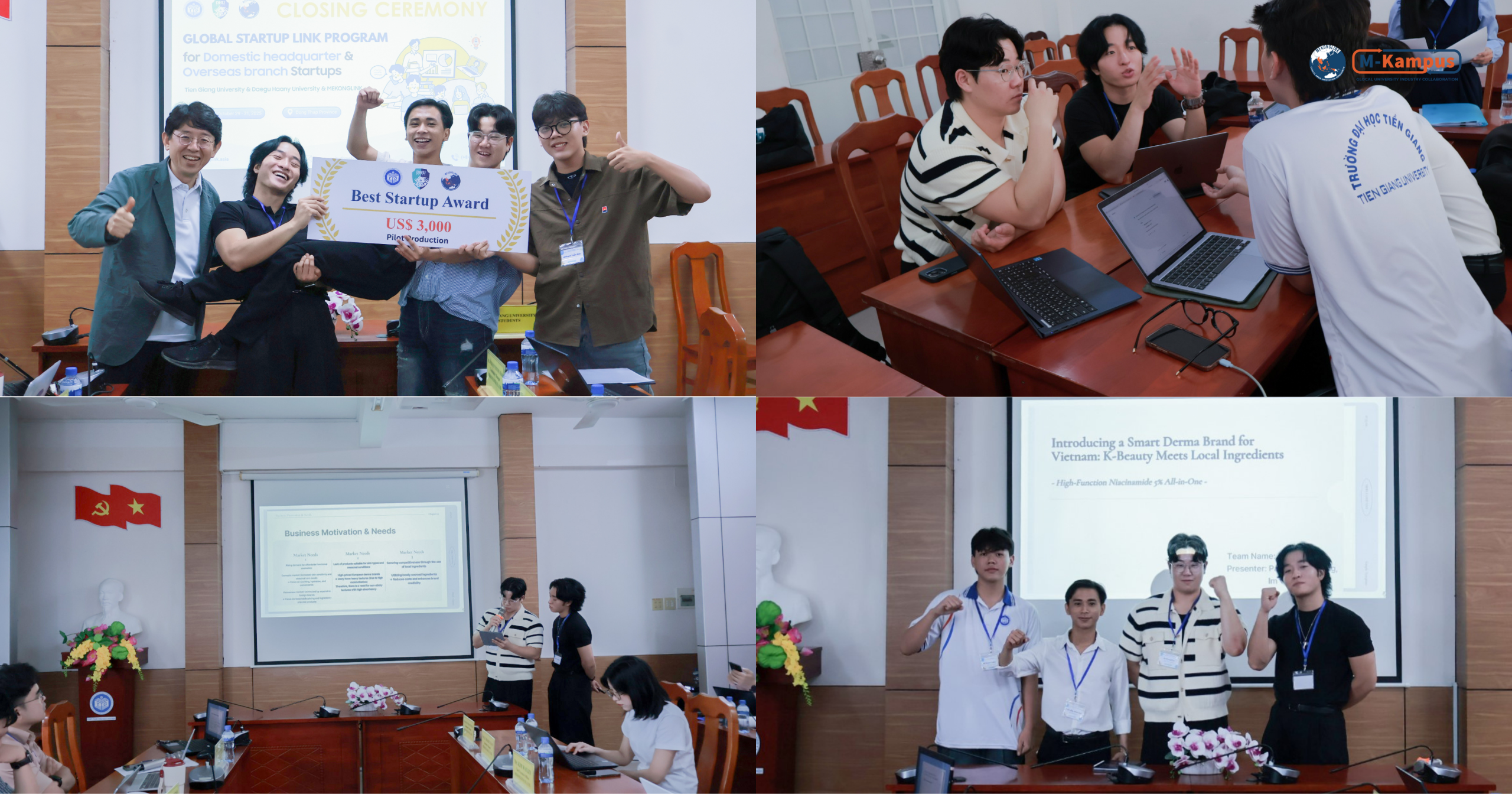
3.3 YeonKyung – difficulty adapting to Vietnam’s climate
YeonKyung developed an “all-in-one” derma skincare line using 5% Niacinamide, combining Korean K-derma technology with Vietnamese natural ingredients. The product features a light texture and affordable price, optimized for local use.
Problem: After analysis, the YeonKyung product was found unsuitable for Vietnam’s hot and humid climate, where skin tends to become oily and easily clogged. Its thick and moist texture could make users feel greasy and uncomfortable, reducing the overall experience and limiting product acceptance.
Co-created Solution (by Vietnamese students and mentors): The student team proposed using local natural ingredients such as centella (rau má) and coconut to adjust the formula and texture, making it lighter and more comfortable for tropical weather.
They also suggested adopting an OEM model using local raw materials (rice bran, centella, coconut, etc.), which can help reduce production costs, promote collaboration between local farms and the cosmetics industry, and build a sustainable K-beauty + local ingredient partnership model.
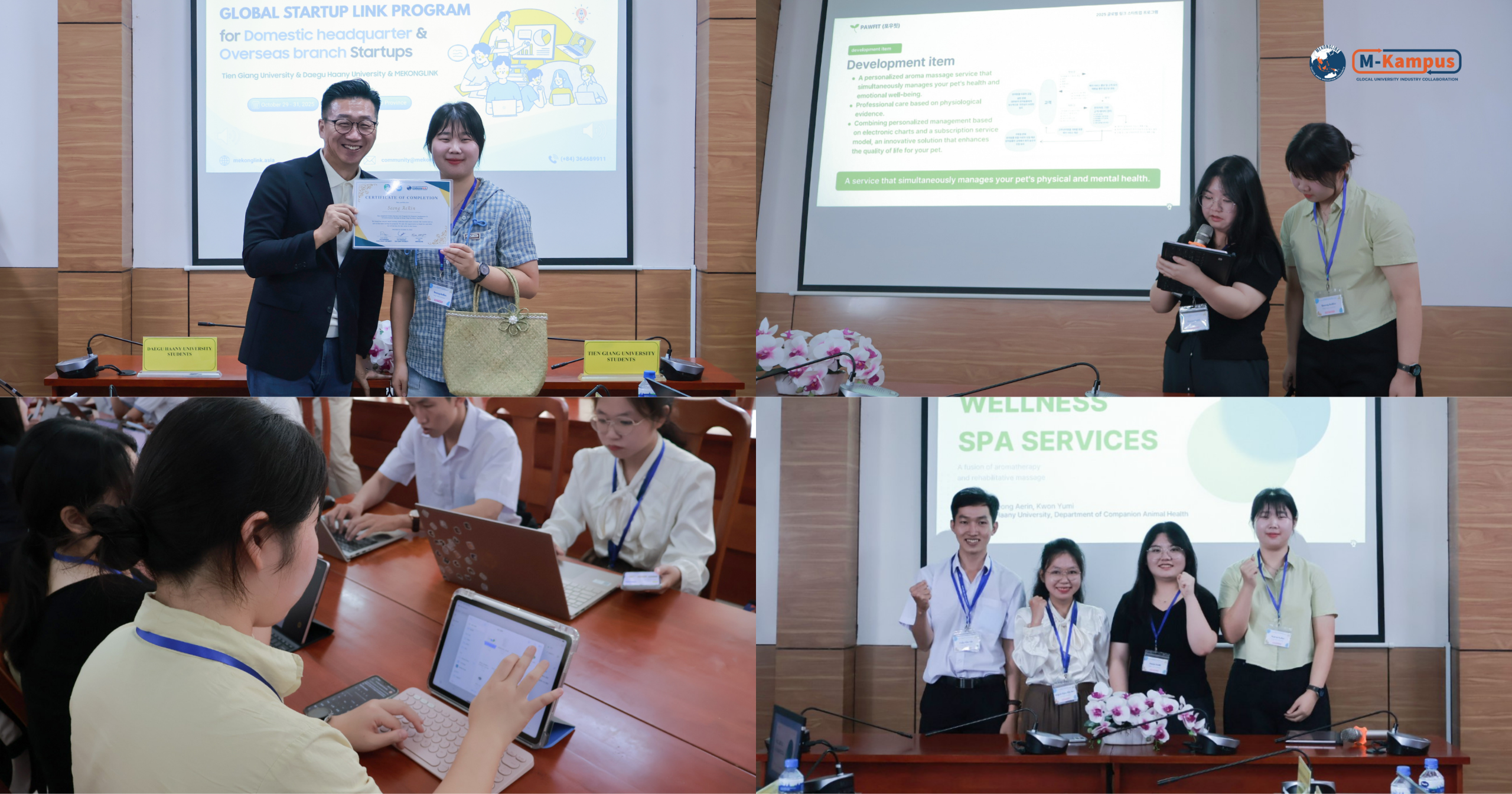
3.4 PAWFIT – limited market segment for pet mental wellness:
PAWFIT is a premium pet care brand that stands out from most competitors. Instead of focusing on grooming services, PAWFIT develops healing spa treatments for pets, including relaxing essential oils, massage products, and holistic wellness therapies.
Problem: In Vietnam, this concept is still very new. Most pet owners focus mainly on basic needs like food and hygiene, while mental wellness care for pets is not yet common. As a result, PAWFIT faced challenges in identifying the right customer segment.
Co-created Solution (by Vietnamese students and mentors): The Vietnamese student team suggested redefining the market segment to focus on high-income customers who are willing to pay for premium pet wellness services. This adjustment helps the brand enter the market more effectively and build awareness among pet lovers seeking better emotional care for their pets.
4. Moving toward a cross-border startup ecosystem in ASEAN
Through the Global Startup Link Program, M-Kampus aims to build a cross-border startup ecosystem where students can learn, test, and expand their products in a real international environment.
The collaboration between Daegu Haany University and Tien Giang University shows that when academic knowledge and technology are combined with local market insights, student projects can grow into practical and valuable products.
In the future, M-Kampus plans to expand this cooperation model across ASEAN, connecting students, universities, enterprises, and communities to promote co-creation, collaboration, and a global startup culture for the young generation.
If you are a business or university looking for international cooperation opportunities in education and entrepreneurship, please contact M-Kampus to co-create real projects that bring meaningful impact to the community.
__________________________________________________
- ☎️ Contact information:
- Email: Community@mekonglink.asia
- International phone: (+84) 02888868685
- Vietnam phone: (+84) 364689922 (+84) 364689911


Responses