

1. What makes the Non-Powered Greenhouse Ventilator different?
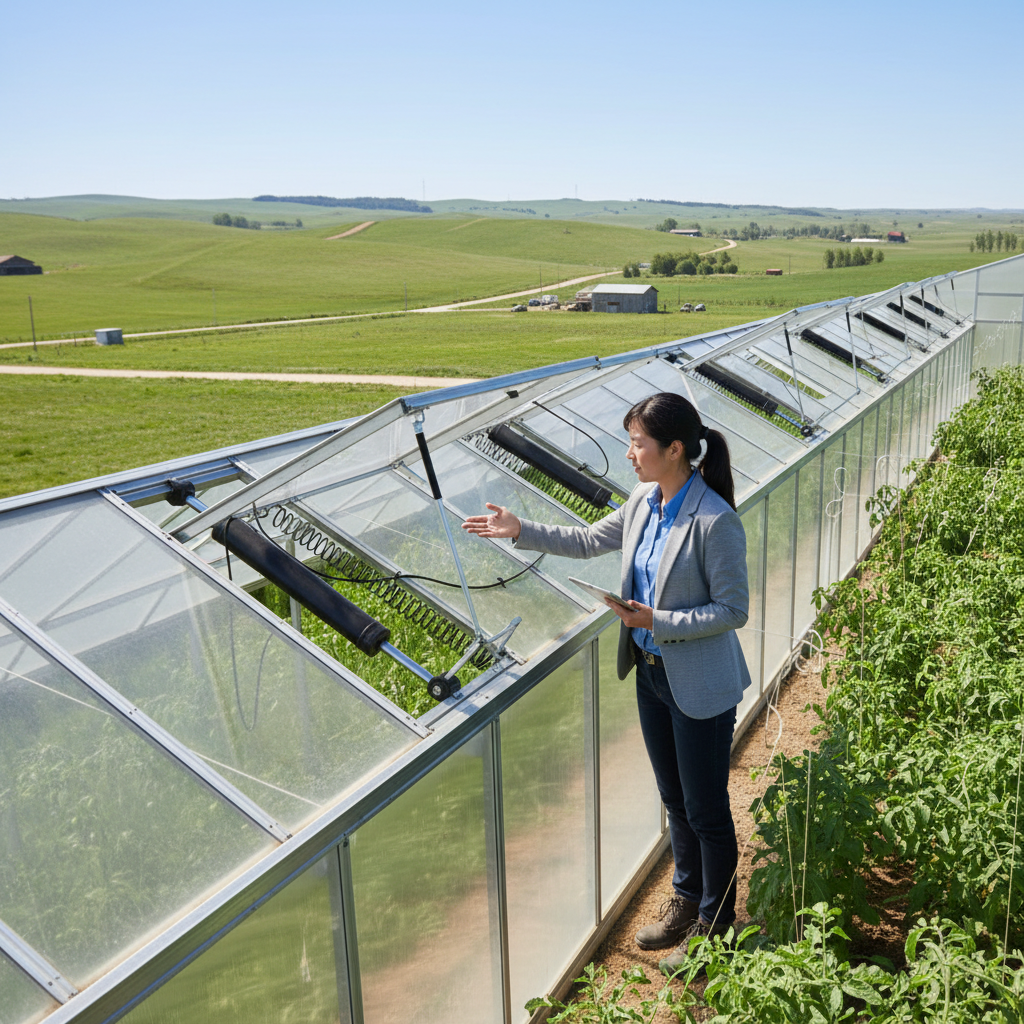
The Non-Powered Greenhouse Ventilator operates completely independently of external power and complex control systems. As a result, the system remains stable during power outages due to storms, wildfires, or grid overload – situations that are increasingly common in many agricultural regions of Australia.
Compared to ventilation systems using electric fans or mechanical motors, this solution:
- Operates completely independently of electricity
- Maintains continuous air circulation in unstable weather conditions
- Reduces the risk of heat shock and pressure buildup in the greenhouse
- Increases long-term operational safety
2. Operating mechanism creates real value
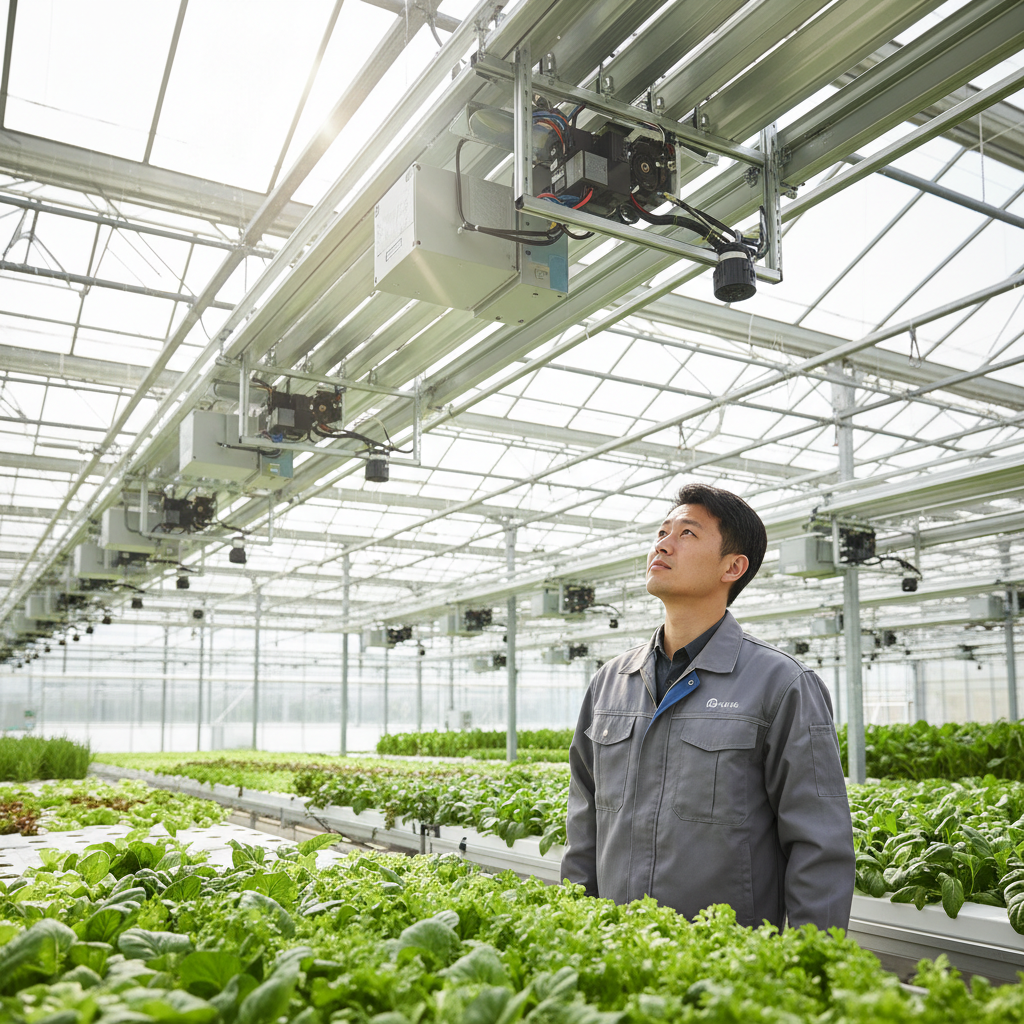
The Non-Powered Greenhouse Ventilator operates based on pressure differences and natural ventilation principles such as the chimney effect and wind action. When the temperature inside the greenhouse increases or when the wind changes external pressure:
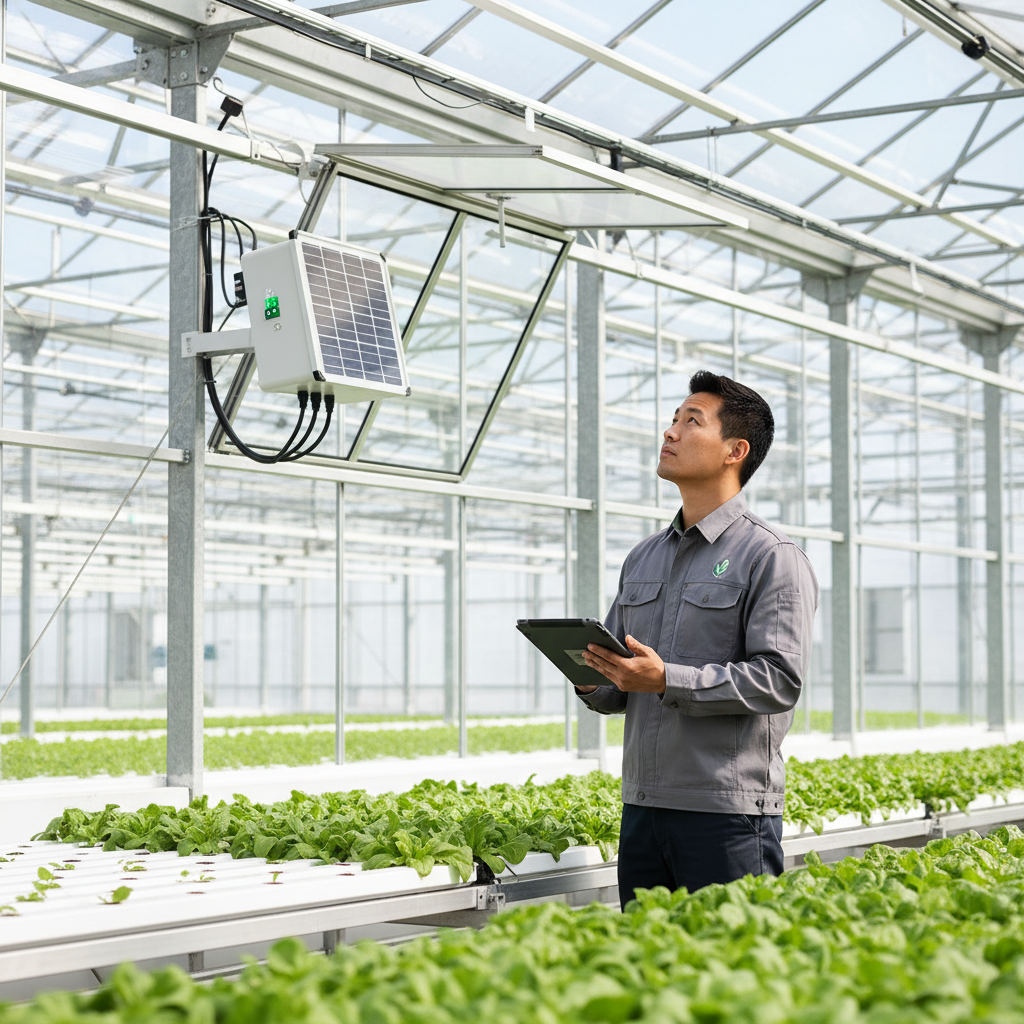
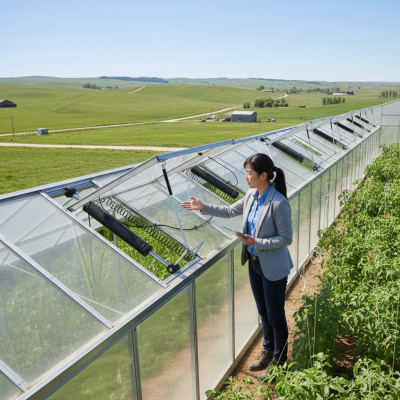
- Ventilation windows open automatically
- Hot and humid air is pushed out
- Cool air from outside enters
- Pressure and temperature are naturally balanced
This mechanism does not require electronic sensors or external power sources. The system reacts instantly to actual environmental conditions, suitable for Australia’s climate – where rapid temperature changes and strong winds are frequent.
2. Key Benefits for the Target Audience
2.1 Operational benefits
- Reduced energy costs: In the context of increasing operating costs for agricultural greenhouses in Australia, improvements in energy use are a clear benefit. Not consuming electricity helps greenhouses operate independently of electricity price pressures and energy market fluctuations. According to SBS in collaboration with Energy Australia, rooftop solar power systems in 4 million Australian homes, accounting for 30% of individual homes, have played a role in reducing costs and relieving pressure on the grid, especially on hot days.
- High reliability: As rural areas face risks such as storms, wildfires, or grid failures, non-electric operation ensures continuity for greenhouses. This is an important factor in agricultural production in many regions with unstable electricity infrastructure.
- Reduced maintenance costs: The simplicity of mechanical design and the reduction in the number of complex components help farms far from service centers save time and long-term operating costs.
2.2 Business benefits
- Crop protection: Strict control of microclimate conditions in the greenhouse helps limit damage from heat shock and sudden pressure changes during extreme weather events. This benefit contributes to maintaining product quality and quantity.
- Increased stability: The ability to maintain consistent cultivation conditions supports farms in long-term production planning. This stability serves as a foundation for investment decisions in modern agriculture, especially as renewable energy is increasingly widely applied, for example, renewable energy accounted for 81% of the total electricity in the Western Australian wholesale market according to the Clean Energy Regulator (CER) in 2022.
- Market expansion: This model is suitable for farms in semi-remote areas, where electricity sources are unstable and the demand for independent operating solutions is increasing.
2.3 User benefits
- Ease of use: Automatic operation reduces the technical expertise required for greenhouse managers, suitable for simple operational needs in small farms or those far from technical support centers.
- Greater peace of mind: Not relying on the grid reduces risks during unexpected power outages or extreme weather, thereby creating a sense of security for users.
-
Environmentally friendly: Eliminating electricity consumption from the grid not only reduces costs but also contributes to reducing negative environmental impact.
3. Data and practical basis 2025–2026
3.1 Climate trends 2025–2026
- According to recent climate reports, Australia continues to record more hot days exceeding historical averages, particularly in Queensland, NSW, and Western Australia.
- Extended heatwaves increase the demand for greenhouse cooling and put pressure on rural power grids. In this context, a non-electric ventilation system like the Non-Powered Greenhouse Ventilator helps reduce operational disruption risks.
3.2 Energy cost trends
- Electricity prices in Australia remain volatile due to the energy transition and the gradual closure of coal-fired power plants.
- Agricultural businesses are prioritizing solutions to reduce electricity consumption to protect profit margins.
The non-electric solution helps reduce fixed operating costs and increase long-term cost predictability.
3.3 Aligned with sustainable agriculture trends
- The proportion of renewable energy in some Australian states continues to increase in 2025–2026.
- ESG and sustainable agriculture support programs encourage energy optimization and emissions reduction.
The Non-Powered Greenhouse Ventilator contributes to:
- Reducing CO₂ emissions related to cooling operations
- Reducing strain on the power system during peak hours
- Increasing ESG scores in supply chain evaluations
3.4 Suitable for small and medium-sized greenhouses
For small and medium-sized greenhouses:
- No need to invest in large-capacity electric fan systems
- Reduced installation costs and electrical infrastructure upgrades
- Can significantly reduce emissions compared to central air conditioning systems

4. When should the Non-Powered Greenhouse Ventilator be deployed?
- Areas with high risk of storms and cyclones: Greenhouses in areas frequently affected by storms or cyclones are at risk of power supply interruptions, leading to loss of internal environmental control. Using a non-powered automatic ventilation system provides safety, thanks to its ability to maintain air circulation without relying on electricity infrastructure, protecting crops from climate fluctuations.
- Remote areas, difficult to access stable power sources: In rural, mountainous areas or where electricity infrastructure is limited, a ventilation solution independent of the grid is required. The non-powered automatic ventilation system meets this need well because it operates continuously according to natural weather conditions, without electricity, yet effectively absorbs and removes hot air, humidity, dust, and odors.
- Greenhouses requiring stable temperature and humidity control: Crops sensitive to temperature or humidity changes require a consistent growing environment. Natural ventilation systems help control these factors, based on the principle of wind pressure and temperature differences.
- Small and medium-sized greenhouses: For cultivation facilities of small and medium size, the non-powered automatic ventilation solution is not only simple to install but also optimizes operating costs. A prominent benefit is the ability to reduce CO2 emissions by up to 40% compared to using a central air conditioning system.
5. Optimize long-term safety and costs for Australian greenhouses
The non-powered automatic ventilation system is a practical solution to enhance safety and stable operation for greenhouses in an increasingly unpredictable weather context. With its independent operation, high reliability, and low operating costs, this solution effectively meets the risk management and long-term investment needs of growers in Australia, while contributing to promoting a sustainable greenhouse agriculture model.
To ensure your greenhouse operates safely and stably amidst weather fluctuations and infrastructure incidents, contact Mekonglink for consultation and support in deploying the non-powered automatic ventilation system.
>>>>>>See more details about our Non-Powered Greenhouse Ventilator solution here!
———

☎️ Contact information:
1. Email: Community@mekonglink.asia
2. Website: mekonglink.asia
3. International phone: (+84) 02888868685
4. Vietnam phone: (+84) 364689922 (+84) 364689911


Responses