

1. Understanding the Cause to Proactively Protect Goods Throughout the Journey
Businesses often face situations where metal goods are corroded upon arrival despite passing QC at the warehouse, indicating that risks mainly arise during transportation—a stage difficult to control environmental factors.

The main factors include temperature fluctuations, humidity, and storage conditions. Temperature differences between day and night or between climates cause water vapor to condense inside the packaging. In Vietnam, the humid tropical climate further accelerates metal oxidation. According to FreightAmigo, by 2025, up to 20% of shipments will be affected by environmental factors during transportation (FreightAmigo 2025). Furthermore, common packaging like PE film or cartons only provides physical protection, not completely preventing moisture, oxygen, or chemical agents. Gaps, tears due to impact further increase risk. Statistics in 2025 also show 22% of damage is due to inappropriate packaging and handling.
When transportation is prolonged or storage is interim, protective layers like anti-rust oils may evaporate, lose effect. Even in airtight packaging, remaining air can still maintain humidity and oxygen, creating conditions for rust to develop when the environment changes. Therefore, solutions like using anti-rust oil or airtight packaging only partially solve the problem and are effective in ideal conditions, not sufficiently ensuring safety in complex logistics realities.
2. Increase Operational Efficiency by Protecting Goods from the Start
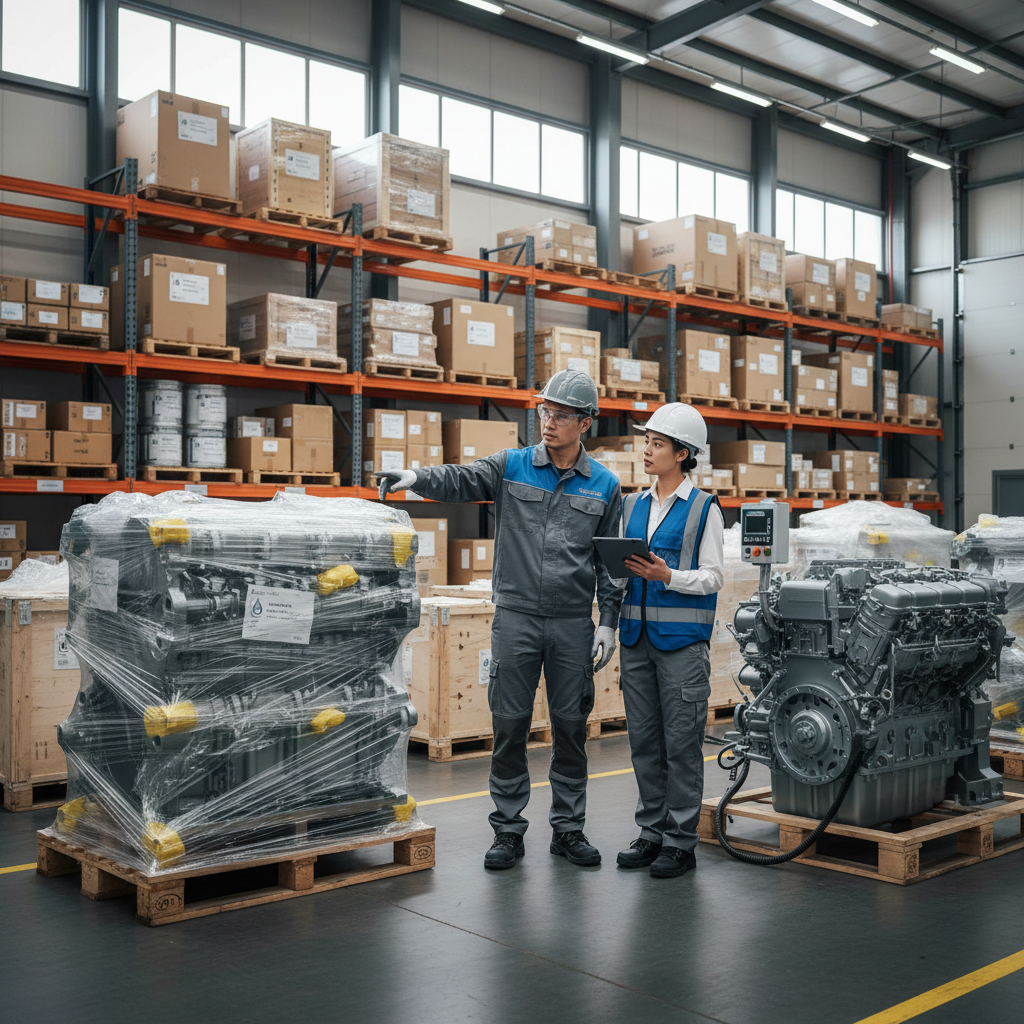
Corrosion during transportation directly affects logistics operational efficiency. Damaged goods increase defect rates and returns due to not meeting standards, resulting in inspection, cleaning, repair, or replacement costs that continuously arise, putting financial and human pressure. Additionally, handling defective goods and complaints disrupt the supply chain, affecting delivery schedules and customer production plans, thereby reducing overall operational productivity.
The impact extends beyond operations to finances and strategy. Businesses suffer losses from reduced product value, increased reverse logistics and storage costs, while declining revenue narrows profit margins. Additionally, unstable quality diminishes reputation, especially with major partners. For businesses competing on price, arising costs become barriers to maintaining competitive pricing. In the long term, this risk limits expansion into high-value segments or markets with stringent shipping requirements.
According to IHL Group, businesses can lose an average of about 4% of annual revenue due to inventory management gaps, disrupting supply chains and increasing handling costs for damaged goods. This figure clearly reflects the consequences of not effectively controlling corrosion risk, directly impacting operational efficiency and business development direction.
3. Optimize Traditional Protection Methods for Greater Efficiency
Logistics companies use many familiar anti-rust measures. In practice, these methods reveal limitations when transportation conditions change constantly. Anti-rust oils create a protective layer on contact surfaces. Hidden areas are not fully covered. The protective layer easily evaporates, gets washed away, reducing effectiveness in humid environments and temperature fluctuations. The process requires cleaning afterward. Costs increase. Processing time extends. Operational pressure increases.Airtight packaging like vacuum sealing or multi-layer PE films is difficult to maintain throughout the journey. Impact and shakes cause tears or weld gaps. Oxygen and moisture re-enter. Moist air remains inside. Material costs increase significantly.
Quality checks before shipping are only valuable at the initial time. Goods leave control scope. Corrosive agents continue to impact during long transportation.The main reason lies in the passivity of the methods. The protective layer only exists initially. No mechanism to adapt to the environment. Air retained in packaging creates conditions for endogenous corrosion. Environmental fluctuations reduce physical barrier effectiveness. High manual operation requirements. Complex processes. Difficult to suit logistics operations needing stability and simplicity. Effective solutions need to create an active protective environment. Continuous mechanism. Not reliant on absolute packaging seal. No complicated intervention required.
4. Practical Solutions for Comprehensive Protection of Goods in Transit (Optimized for Vietnam Context)
Logistics enterprises in Vietnam deploy various solutions to balance between protective effectiveness, investment costs, and practical applications.

4.1. VCI Vapor Corrosion Inhibition Technology
VCI creates an invisible protective layer on metal surfaces in enclosed spaces. VCI molecules evaporate at normal temperatures. Dispersed evenly inside packaging. Neutralizes moisture and oxygen. The protective mechanism is maintained continuously throughout the journey. The protective layer self-regenerates with temporary disruptions.Solution from Mekonglink provides VCI in film and powder form. Rapidly diffuses in enclosed spaces. Protects both exposed surfaces and difficult-to-reach areas. No need to change existing packaging process. No additional equipment investment required. VCI layer self-evaporates when packaging is opened. No need for cleaning after use.Technology suited to tropical humid conditions in Vietnam. Effective in environments with temperature and humidity fluctuations. Meets safety requirements. Contains no harmful chemicals. Reduces corrosion risk throughout transportation.
>>> Learn more about Mekonglink’s VCI solution
4.2. Optimize Basic Packaging Materials
Choosing suitable materials enhances moisture resistance and strength. Thick PE film. Water-resistant cartons. Creates an initial physical barrier against external impacts. The solution is supportive. Not fully controlling chemical and condensation factors inside packaging.
4.3. Control Environment in Warehouses and Containers
Use desiccant packs. Air conditioning systems. Temperature and humidity monitoring equipment. Reduce corrosive agents from storage to transportation. High investment costs. Complicated operation requirements. Applicability depends on business scale and budget. Overall assessment shows VCI integration requires minimal deployment. High corrosion control effectiveness. Optimizing packaging materials yields moderate improvement. Does not completely eliminate risk. Environment control provides significant efficiency when implemented correctly. High costs and complexity. Unequal applicability across businesses.
5. Why VCI Technology is an Effective Approach for Modern Logistics in Vietnam
5.1. Suitable for Practical Operational Needs
VCI integrates directly into existing processes. No equipment changes required. No retraining of personnel needed. Maintains stability in production and distribution. Reduces reliance on manual operations. Minimizes errors in packaging and storage. Solution from Mekonglink provides VCI in film and powder form. Easy to deploy across various goods. Suitable for many operating models. Does not disrupt logistics chain.
>>> Learn more about Mekonglink’s VCI solution
5.2. Solving Blind Spots in Corrosion Protection
Metal goods are heavily impacted by moisture and oxygen in tropical conditions. Prolonged transportation increases risk. VCI creates a continuous protective environment in enclosed spaces. Molecules distribute evenly. Covers both surfaces and hard-to-reach areas. Maintains effectiveness throughout the journey from warehouse to customer. Technology helps control quality stability despite environmental changes. Reduces reliance on ideal storage conditions.
5.3. Economic and Strategic Benefits
Initial packaging cost higher than traditional methods. Total operational costs decrease over time. Defect rates decrease. Handling and cleaning costs decrease. No need for re-packaging. Profit margins improve. Stable product quality enhances competitive capacity. Increases trust with partners. Supports expansion into high-value segments.
5.4. Safe and Environmentally Friendly
VCI contains no harmful heavy metals. No wastewater treatment generated. Meets safety and environmental standards. Supports businesses in meeting sustainable development requirements. Aligns with modern logistics trends in Vietnam.
6. Conclusion: Control Corrosion from the Root
Corrosion arises during transport due to environment and time. Traditional solutions do not maintain effectiveness. Risks increase costs and disrupt operations. VCI from Mekonglink creates a continuous protective layer in enclosed spaces. Stabilizes product quality throughout the journey. Easy to apply. No process changes required.
Register now for consultation. Fill out the partnership form with Mekonglink to deploy VCI for your company’s shipping route HERE
__________________________________

☎️ Contact information:
- Email: Community@mekonglink.asia
- Website: mekonglink.asia
- International phone: (+84) 02888868685
- Vietnam phone: (+84) 364689922 (+84) 364689911


Responses