

1. Key factors shaping the farming system in ASEAN
1.1 The role of decision-making methods in farming
In ASEAN, many farming decisions are still based on experience and situational reactions. When plants encounter problems such as yellowing leaves or pests, the solution is often immediate fertilization or spraying.
This approach mainly addresses symptoms without tackling the root causes from soil and ecosystem. The overuse of chemicals gradually degrades the soil and increases input dependency. According to a survey by CropLife Vietnam (2023), 92% of policymakers believe that maintaining soil quality is the biggest challenge for ASEAN agriculture.
1.2 The importance of data in modern agricultural management
Most farmers lack sufficient reliable data on soil and environmental factors such as pH, nutrients, or microorganisms. Microclimate fluctuations and pests are often only detected after they have impacted yield.
This limits the ability to forecast and prevent risks, making production reactive rather than proactive, and reducing resource efficiency.
1.3 The need for a clear roadmap for sustainable farming transformation
Although awareness of sustainable agriculture has increased, transformation still faces many barriers due to a lack of clear roadmaps, tools, and specific support systems. The risk of reduced yield in the initial phase makes farmers hesitant to change.
According to CropLife Vietnam (2023), 88% of policymakers consider pest control and maintaining yield to be major challenges. The lack of a supportive ecosystem makes it difficult for farmers to access solutions for soil restoration and long-term production maintenance.
>> Learn more about this information at here.

2. Impacts of farming systems on agricultural operations and strategy
2.1 Operations: Towards greater stability and predictability
Degraded soil quality and reliance on chemicals make crops vulnerable to diseases and climate fluctuations. This leads to fluctuating yields, making production planning and fulfilling export commitments difficult.
Furthermore, reliance on manual activities such as spraying and fertilizing increases labor costs and reduces operational efficiency. According to the Ministry of Agriculture and Rural Development, climate change has led to a 26% increase in production costs while yields have decreased by up to 35% in the Mekong Delta (2021–2025).
2.2 Finance: Balancing costs and improving investment efficiency
Degraded soil forces farmers to increase the use of fertilizers and pesticides, leading to rapidly rising input costs.
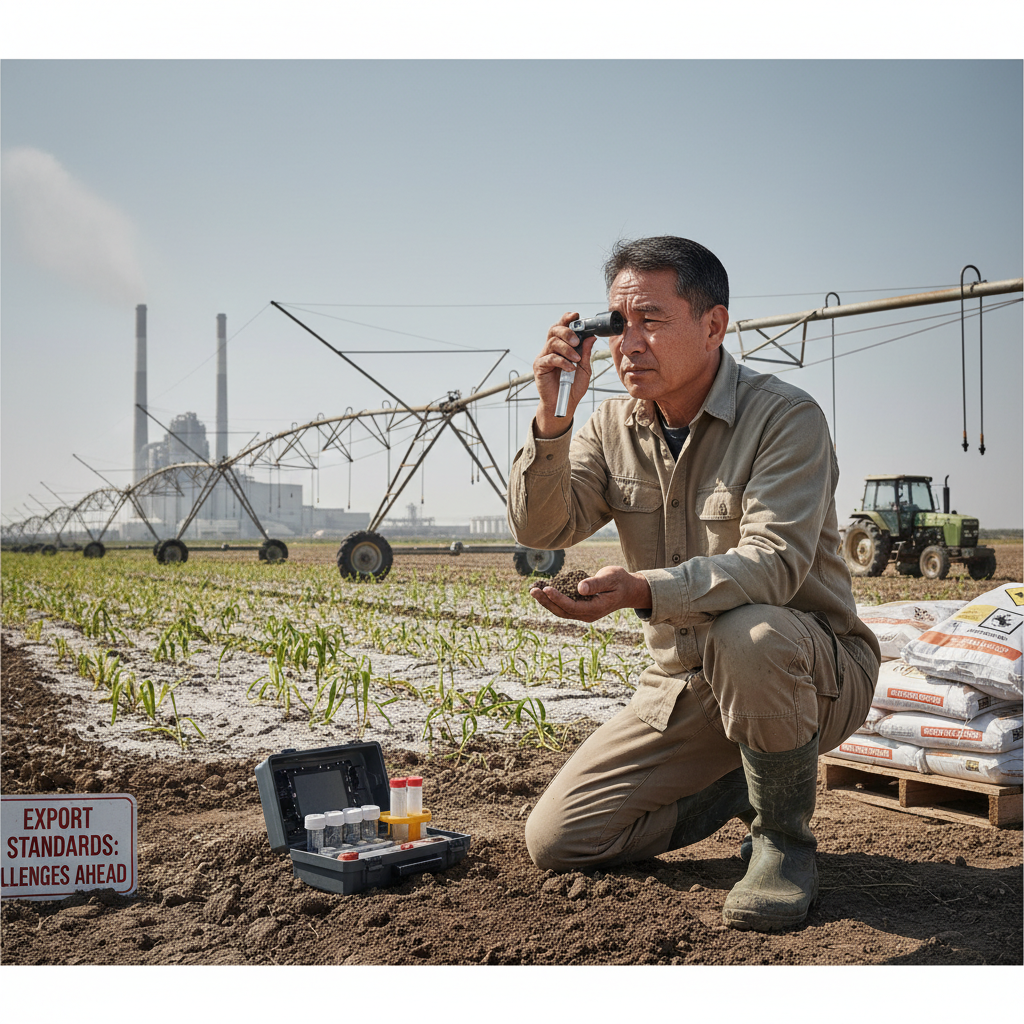
However, the overuse of chemicals reduces agricultural product quality, making it difficult to meet export standards. As a result, products may be rejected or only sold at low prices. Additionally, environmental remediation costs, such as soil and water restoration, add long-term financial pressure.
2.3 Strategy: Enhancing competitiveness in the export market
The global market is rapidly shifting towards sustainable agricultural products, accompanied by increasingly stringent environmental and food safety standards.
Recent changes clearly show this increasing pressure:
- EU Green Deal and Carbon Border Adjustment Mechanism require transparency in emissions and production processes.
- Many EU markets are implementing the Farm to Fork Strategy, tightening chemical residue limits and traceability.
This means that chemical-dependent farming models will gradually find it difficult to meet export standards, easily leading to rejection or reduced commercial value. Without transformation, businesses may face legal risks, reputational damage, and loss of opportunities in high-value segments.
In Vietnam, recent reports show that climate change and market standards are simultaneously increasing costs and reducing profit margins, creating long-term pressure on the competitiveness of the agricultural sector.
3. Current approaches and opportunities for improvement
3.1 Optimizing inputs to improve short-term yield
Increasing fertilizers and pesticides can help improve yield quickly, but it does not address the core issue of soil health. Reports by FAO and environmental organizations show that nearly 1/3 of global agricultural land has been degraded, largely due to intensive farming, chemical overuse, and poor soil management.
Many organizations such as FAO and WHO have also warned about drug resistance, chemical pollution, and risks to human health if pesticide dosages continue to increase. This leads to higher costs, weakened soil, and gradually decreasing effectiveness over time.
3.2 Organic transition and the requirement for integrated support systems
Many models transitioning to organic agriculture only change inputs, but lack a soil restoration strategy and an integrated pest management system. Reports on sustainable agricultural transformation note that the transition phase often comes with risks of reduced yield and income if there are no technical, financial, and market support systems. This makes it easy for many farmers to give up, difficult to sustain, and challenging to achieve long-term sustainability goals.
3.3 Opportunities to upgrade farming models suitable for the ASEAN context
Current models often only address “symptoms” instead of redesigning the entire farming system. In the ASEAN context with fluctuating climate and increasingly high export requirements, this approach reveals clear limitations:
- Does not improve the soil’s self-recovery capability,
- Lacks data for proactive decision-making,
- Difficulty balancing yield, cost, and market standards.
Reports on food system transformation and ecological agriculture identify a new trend towards system-based agriculture, where soil, ecosystems, data, and value chains are tightly integrated to ensure long-term efficiency and sustainability.
4. Sustainable farming solutions: Designing long-term efficient production systems
4.1 Building a foundation of balanced soil and ecosystem
In the context where soil degradation is the root cause of many agricultural problems, restoring soil structure and microbial systems becomes a crucial foundation.
Methods such as adding organic matter, utilizing beneficial microorganisms, and improving soil ecosystems help to:
- Increase water and nutrient retention
- Reduce reliance on chemical fertilizers
- Boost plants’ natural resistance
In fact, high-quality Comprehensive Microbial Organic Agriculture Solutions demonstrate the ability to:
- Suppress soil-borne pathogens
- Increase organic matter content and improve fertility
- Support natural nutrient decomposition and absorption processes.
This helps shift from “feeding plants with chemical inputs” to building a soil foundation capable of self-balancing and recovery, creating a basis for sustainable yields.

>>> Learn more about the Comprehensive Microbial Organic Agriculture Solution at here
4.2 Applying data and technology in agricultural management
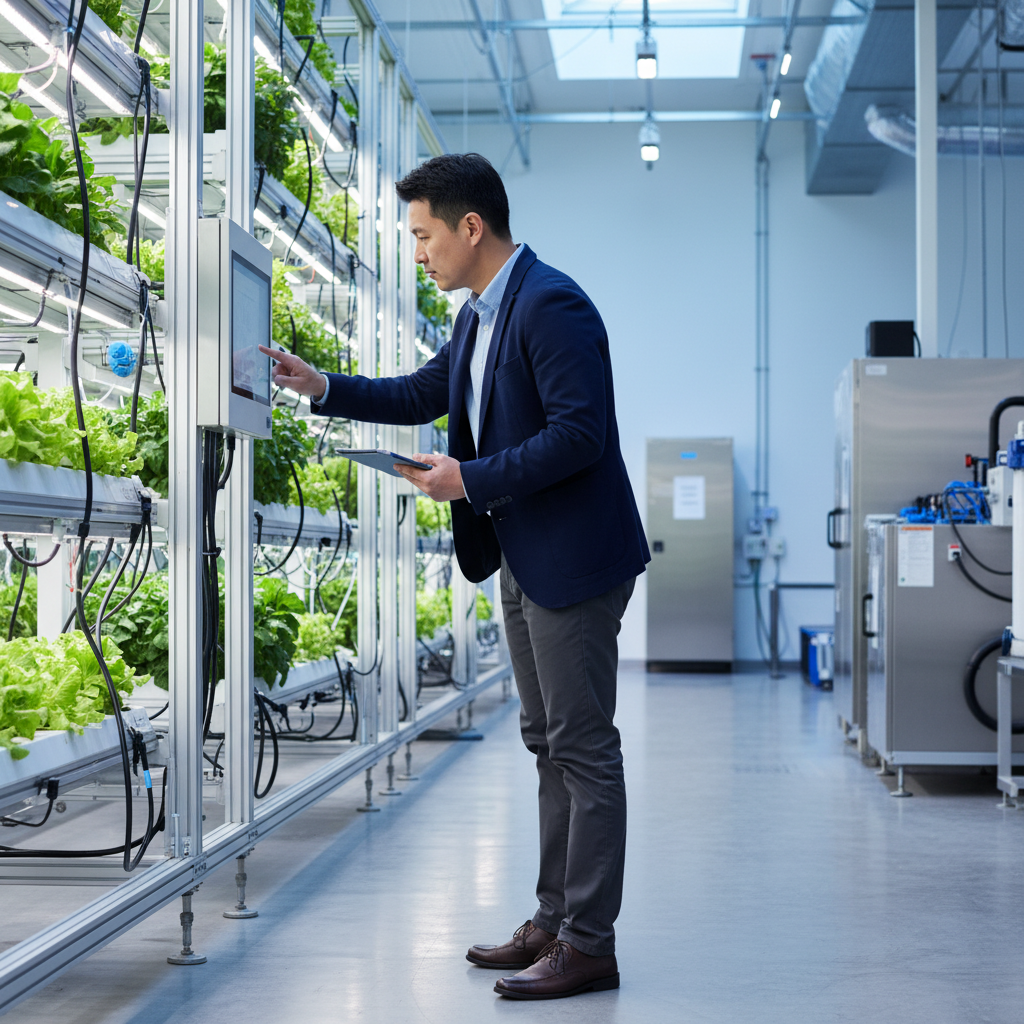
If soil restoration is the “biological foundation,” then data is the operational infrastructure of the farming system. Integrating IoT, Cloud technology, and data analytics helps to:
- Monitor real-time factors such as humidity, temperature, CO₂, soil pH
- Detect risks early instead of reacting after incidents occur
- Optimize irrigation, nutrition, and environmental conditions
Among them, current management systems allow for:
- Collecting real-time data from multiple sensors and farming areas
- Centralized management of the entire farm on a single platform
- Automatic control by zone (zone-based control)
This helps shift from “management by experience” to data-driven decision-making, reducing risks and optimizing operational costs.

>>> Learn about the Cloud-Based Modular Smart Farm Solution now!
5. Conclusion: Building a proactive farming system for a sustainable agricultural future in ASEAN
The cycle of increasing costs and decreasing yields in ASEAN agriculture stems from soil degradation and a reactive farming approach, causing severe economic and environmental consequences. The overuse of chemicals to maintain productivity not only increases costs but also weakens the soil’s resilience, leading to unstable yields and significant long-term risks.
However, this situation can be entirely improved by redesigning farming systems based on comprehensive soil health restoration and integrating a layer of smart data for proactive decision-making. Farmers and agricultural businesses in ASEAN can transition from a “reactive” to a “proactive” model, creating more sustainable yields, optimizing costs, and enhancing competitiveness in the global market.
Start transforming your farming system today to control costs, stabilize yields, and enhance export market competitiveness.
👉 Contact Mekonglink to implement it now at here!
—

☎️ Contact information:
1. Email: Community@mekonglink.asia
2. Website: mekonglink.asia
3. International phone: (+84) 02888868685
4. Vietnam phone: (+84) 364689922 (+84) 364689911


Responses